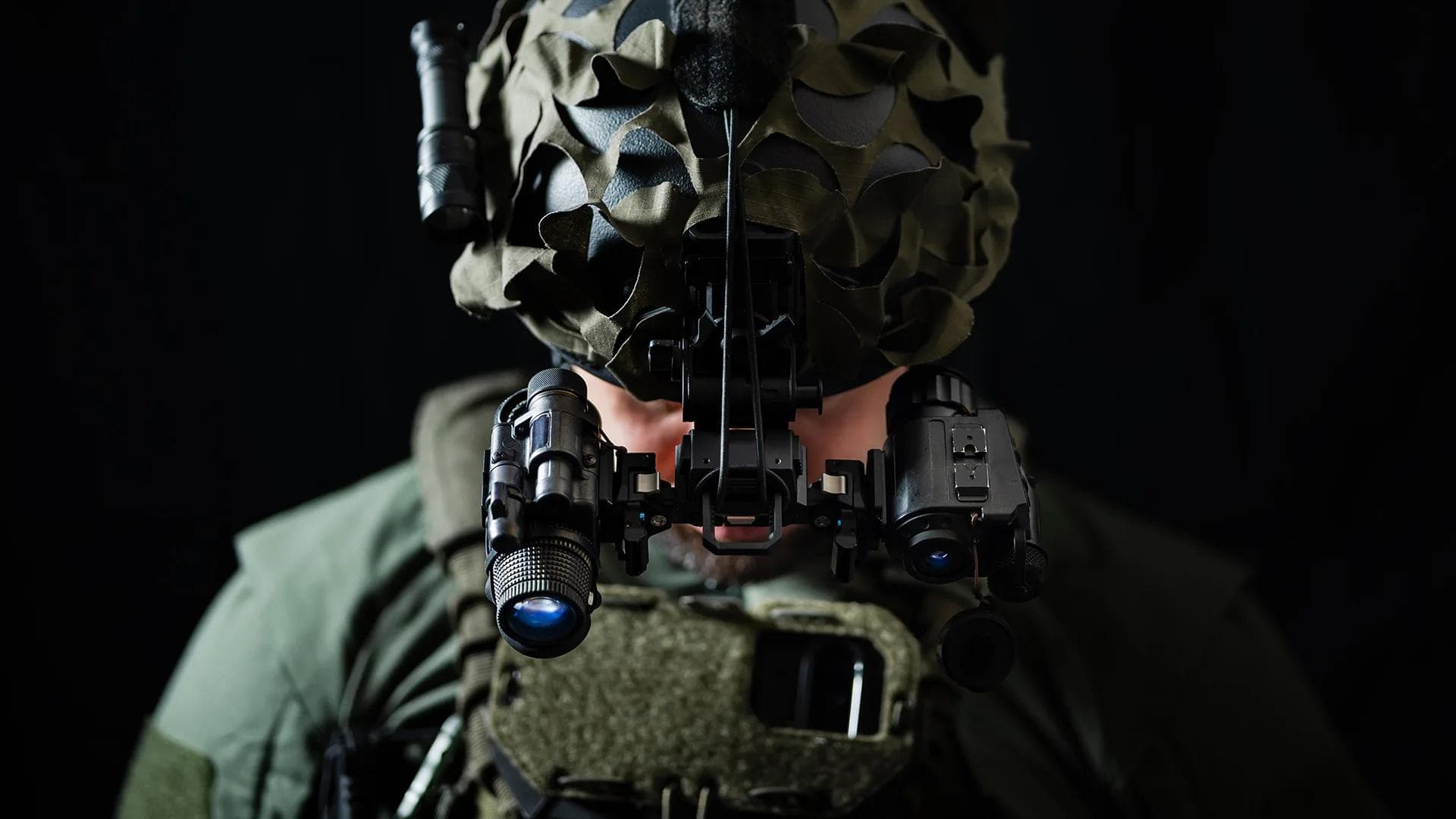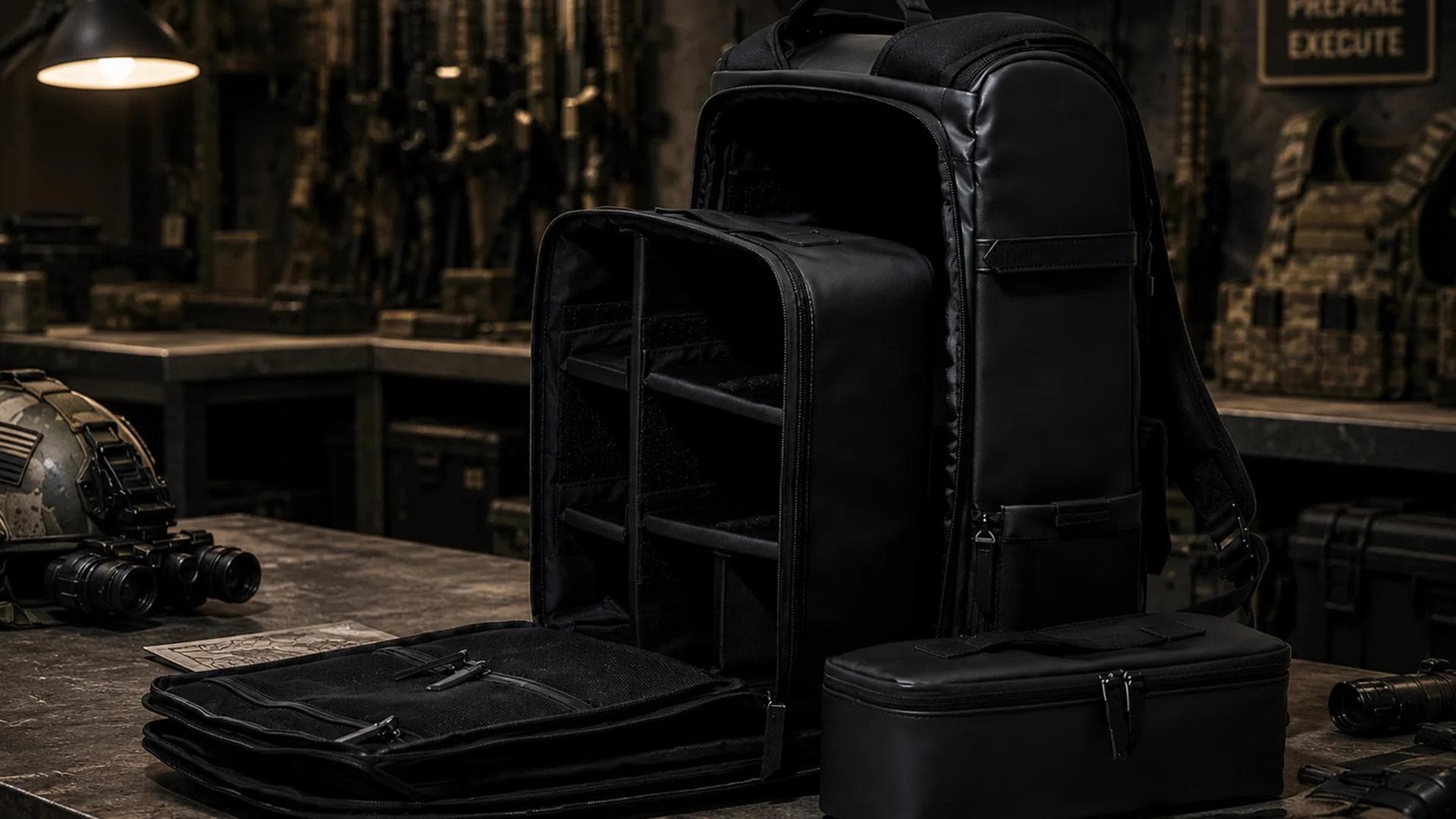
Night vision equipment is built for demanding environments, but travel creates a different type of risk. Vibration, impact, moisture, temperature changes, and improper handling can all affect performance long before visible damage appears. Whether you are traveling for training, hunting, field work, or operational use, understanding how to transport night vision devices safely helps protect both your investment and your equipment’s long-term reliability.
Transporting night vision requires more than tossing gear into a backpack or hard case. Careful preparation reduces the chances of damaged optics, electronic failure, or unnecessary wear during transit.
What Are the Risks of Transporting Night Vision Gear?
Before discussing travel strategies, it helps to understand what are the risks of transporting night vision gear.
Most damage does not happen during active use. It happens during storage, loading, unloading, and transit. Sensitive optics and electronic components can be affected by conditions that may seem harmless during travel.
Common risks include:
- Impact or vibration damage
- Lens contamination or scratches
- Moisture exposure
- Battery leakage
- Extreme temperature fluctuations
- Pressure from poorly packed equipment
Night vision systems contain precision components designed to work together under controlled alignment. Repeated movement or careless handling increases the likelihood of performance issues over time.
Understanding these risks creates the foundation for smarter transport decisions.
Night Vision Transport Tips for Ground and Air Travel
Practical night vision transport tips begin with planning before you leave. Night vision should always travel in a protective case designed to limit movement and absorb impact. Hard-shell cases with fitted foam or padded interiors offer the most reliable protection during vehicle or airline transport.
Before travel:
- Remove batteries when possible
- Secure lens caps
- Verify mounts and accessories are tightened or removed
- Inspect optics for debris or moisture
- Avoid loose storage inside luggage or gear bags
Devices should remain stable during movement rather than shifting inside a case.
Travel conditions vary, but consistent preparation protects equipment regardless of destination.
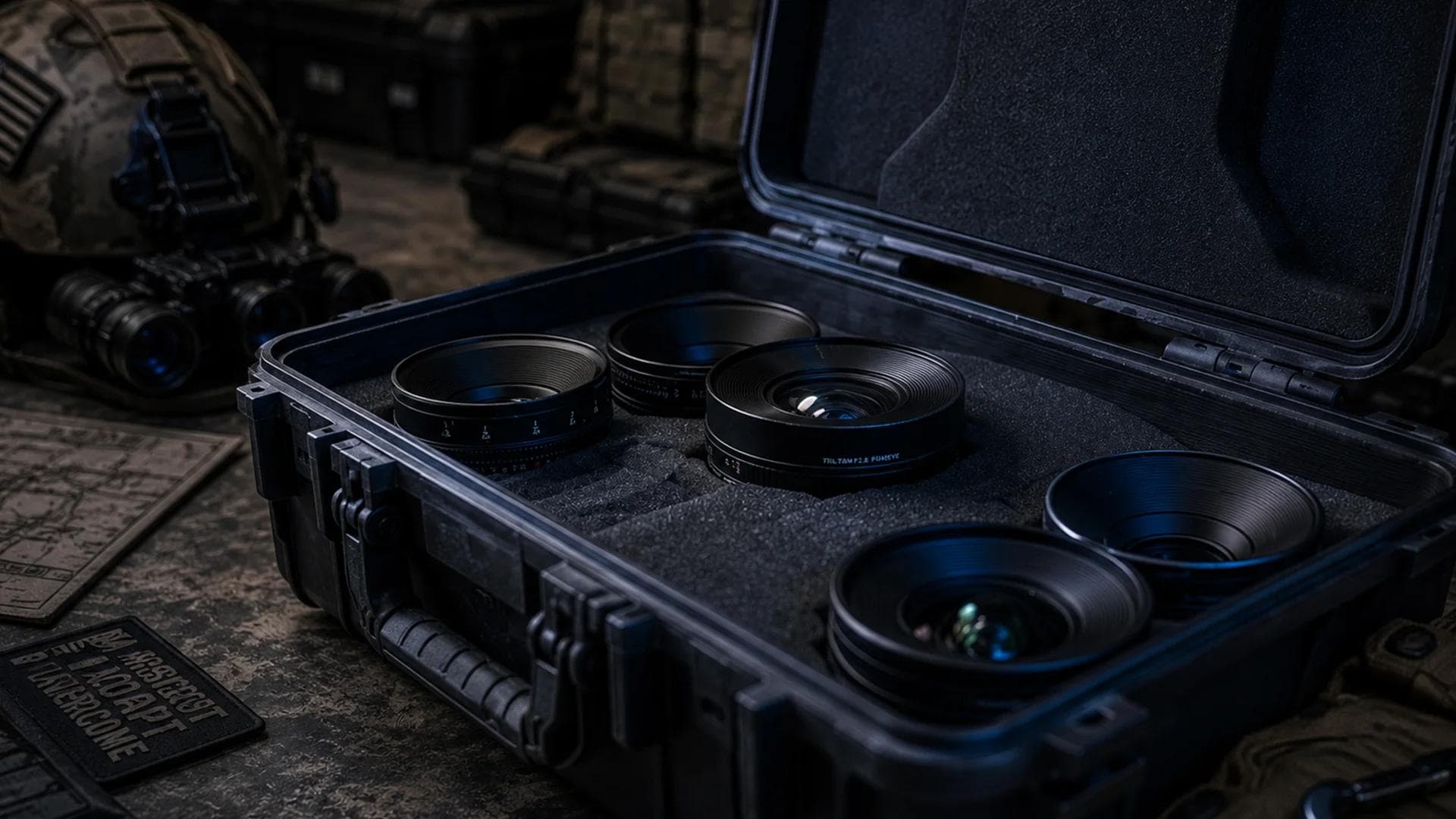
How to Pack Sensitive Optics for Air Travel
Air travel creates unique concerns for sensitive equipment. Many owners ask how to pack sensitive optics for air travel without exposing devices to unnecessary damage.
The safest approach is usually carrying equipment in a properly padded case that remains under your control whenever possible.
Recommended packing practices include:
- Use rigid hard cases or reinforced padded carriers
- Add foam support to limit movement
- Keep optics separated from heavy metal equipment
- Include moisture control when traveling through humid climates
- Protect lenses with caps and covers
Pressure changes during flights are typically not the primary concern. Physical handling presents the greater risk.
Baggage systems involve repeated movement, stacking, and impact. Whenever practical, keeping equipment in carry-on storage provides an added layer of protection.
This is particularly important for higher-end systems or custom night vision setups built around specialized tubes or accessories.
Can Airport Security Damage Night Vision Devices?
A common concern among travelers is: can airport security damage night vision devices?
In most cases, standard airport screening procedures do not damage properly built night vision equipment.
Security systems use screening technologies designed for electronic devices and optics. However, the greater concern often involves physical handling during inspection rather than screening equipment itself.
To minimize risk:
- Present equipment professionally and calmly
- Keep devices secured inside protective cases
- Allow extra inspection time when needed
- Avoid loose accessories that create confusion during screening
Careful packaging and organized presentation help reduce unnecessary handling.
Travelers should also understand that screening procedures may vary by airport, destination, or security personnel.
TSA Rules for Carrying Night Vision Equipment
Many travelers search for TSA rules for carrying night vision equipment before flying.
Policies can change, and travel regulations may differ depending on domestic or international destinations. Before departure, travelers should verify current transportation requirements and restrictions directly with airlines and security authorities.
In general, transporting optics and electronic equipment is manageable when packed appropriately and transported responsibly.
Important considerations include:
- Reviewing airline baggage policies
- Confirming battery transport requirements
- Checking destination-specific restrictions
- Understanding international export regulations when applicable
Planning ahead prevents delays and helps avoid unnecessary complications at checkpoints.
How to Travel With Night Vision Devices Without Compromising Performance
For owners wondering how to travel with night vision devices while preserving long-term performance, consistency matters.
Travel preparation should become part of routine equipment care rather than an afterthought.
Safe transport for night vision devices includes:
- Using protective cases
- Managing batteries carefully
- Controlling moisture exposure
- Limiting unnecessary handling
- Avoiding unsecured transport conditions
This layered approach creates reliable safe transport for night vision devices whether traveling across town or across the country.
Equipment that arrives protected performs more reliably when conditions demand it.
Protect Your Gear Before You Need It
Night vision systems are designed for serious performance, but reliable operation starts long before deployment. Knowing how to transport night vision devices safely reduces preventable damage and protects image quality, electronics, and long-term durability.
Whether you rely on compact monoculars or advanced binocular systems, proper travel preparation matters. Exploring high-quality night vision products designed for durability and dependable field performance helps ensure your equipment remains ready wherever the mission, training, or travel takes you.
Browse GPNVGS for durable night vision systems, accessories, and travel-ready solutions designed to keep your gear protected and mission-ready wherever you go.