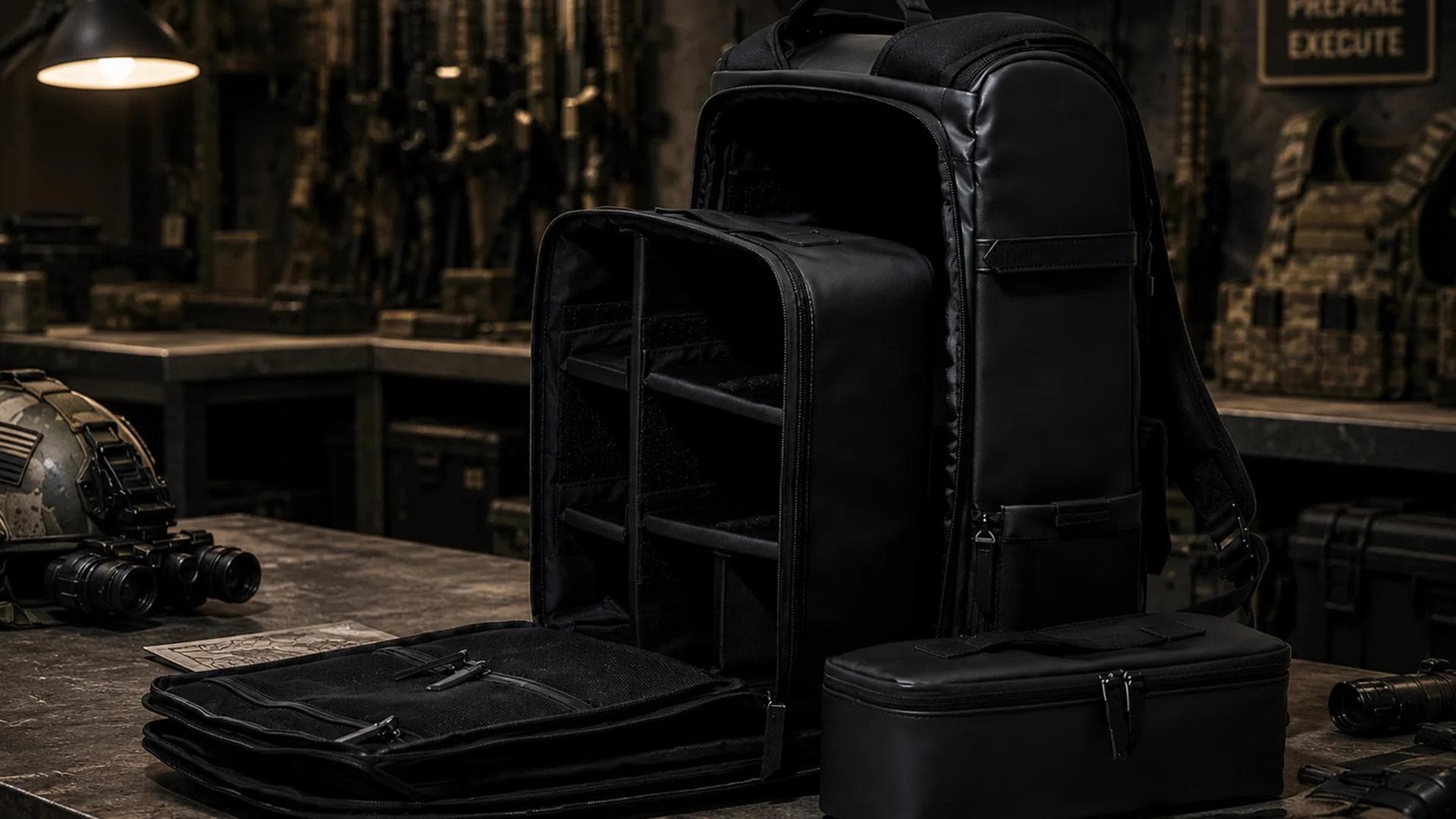
Power outages change the way cities function almost immediately. Streetlights go dark, elevators stop, security systems fail, and familiar environments become difficult to navigate. Whether caused by storms, infrastructure failure, or emergency situations, blackouts create uncertainty that affects visibility and decision-making. That is why many people are turning to night vision for power outages as part of a broader preparedness strategy.
Urban emergencies are different from rural scenarios. Apartment complexes, parking garages, stairwells, and crowded neighborhoods create challenges that demand better situational awareness. Night vision technology gives users the ability to move, observe, and respond more effectively when conventional lighting disappears.
Why Is Night Vision Important in Urban Power Outages?
Most people prepare for outages with flashlights, batteries, and backup power. Those tools matter, but they also create limitations. Artificial light announces your location, reduces your ability to observe beyond the illuminated area, and may not always be available.
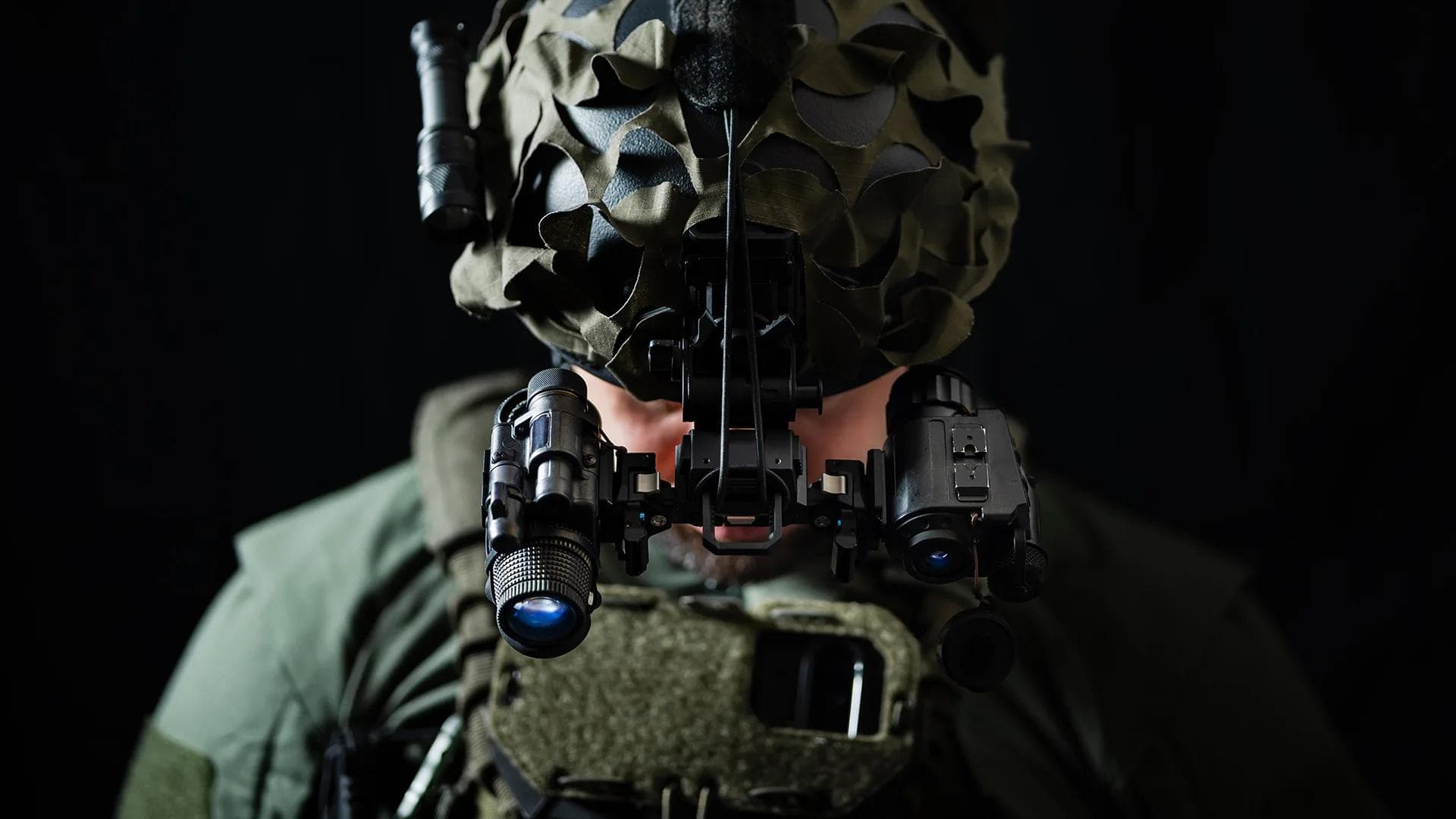
For those asking, why is night vision important in urban power outages, the answer comes down to visibility and awareness. Night vision devices amplify available ambient light, allowing users to see in low-light conditions without depending entirely on handheld illumination.
During an outage, this capability can help with:
- Navigating dark hallways and stairwells
- Monitoring building entrances or surrounding areas
- Identifying obstacles and hazards
- Maintaining visibility while conserving flashlight batteries
- Improving personal awareness in unfamiliar or unstable conditions
In dense urban settings, the ability to see without broadcasting your position can become a practical advantage.
Night Vision Urban Preparedness Starts Before the Lights Go Out
Effective night vision urban preparedness is not something improvised during an emergency. Like any preparedness tool, night vision works best when users understand its strengths and limitations ahead of time.
Urban environments present unique visual conditions. Reflective surfaces, varying light levels, and confined spaces all influence device performance. Practicing with your equipment before an outage allows you to build confidence and understand how your surroundings appear through night vision.
Preparation should include:
- Learning device controls and focus adjustments
- Practicing movement in low-light conditions
- Testing gear in apartment complexes, yards, or safe outdoor areas
- Establishing storage and battery replacement routines
- Understanding local emergency procedures and blackout risks
Night vision is most effective when integrated into a larger emergency plan rather than treated as a last-minute solution.
Using Night Vision in Power Outages Safely and Effectively
Many first-time owners assume that using night vision in power outages simply means putting on goggles and moving through darkness. In reality, successful use depends on thoughtful application.
Movement should remain deliberate and controlled. Even with enhanced visibility, blackout conditions can involve debris, damaged infrastructure, and unpredictable obstacles. Night vision improves awareness, but it does not eliminate risk.
A few practical guidelines include:
- Avoid rapid movement in unfamiliar areas
- Maintain backup light sources
- Keep lenses clean and protected
- Monitor battery life and carry spares
- Stay aware of changing environmental conditions
Night vision works alongside traditional emergency tools rather than replacing them entirely.
Can Night Vision Work in High-Rise Buildings During Outages?
Urban preparedness often raises a specific concern: can night vision work in high-rise buildings during outages? In many cases, yes.
Night vision devices rely on ambient light amplification, and high-rise buildings frequently provide usable light sources even during blackouts. Moonlight through windows, nearby building illumination, vehicle lights, and distant city glow often create enough available light for effective performance.
However, results vary depending on the structure and location. Interior stairwells, underground parking areas, or windowless utility spaces may present darker conditions that require infrared support or supplemental equipment.
Users living in apartments or high-rise environments should evaluate likely blackout routes ahead of time. Understanding how your building behaves during a power failure helps determine where night vision provides the greatest advantage.
Night Vision for Emergency Preparedness Beyond the Blackout
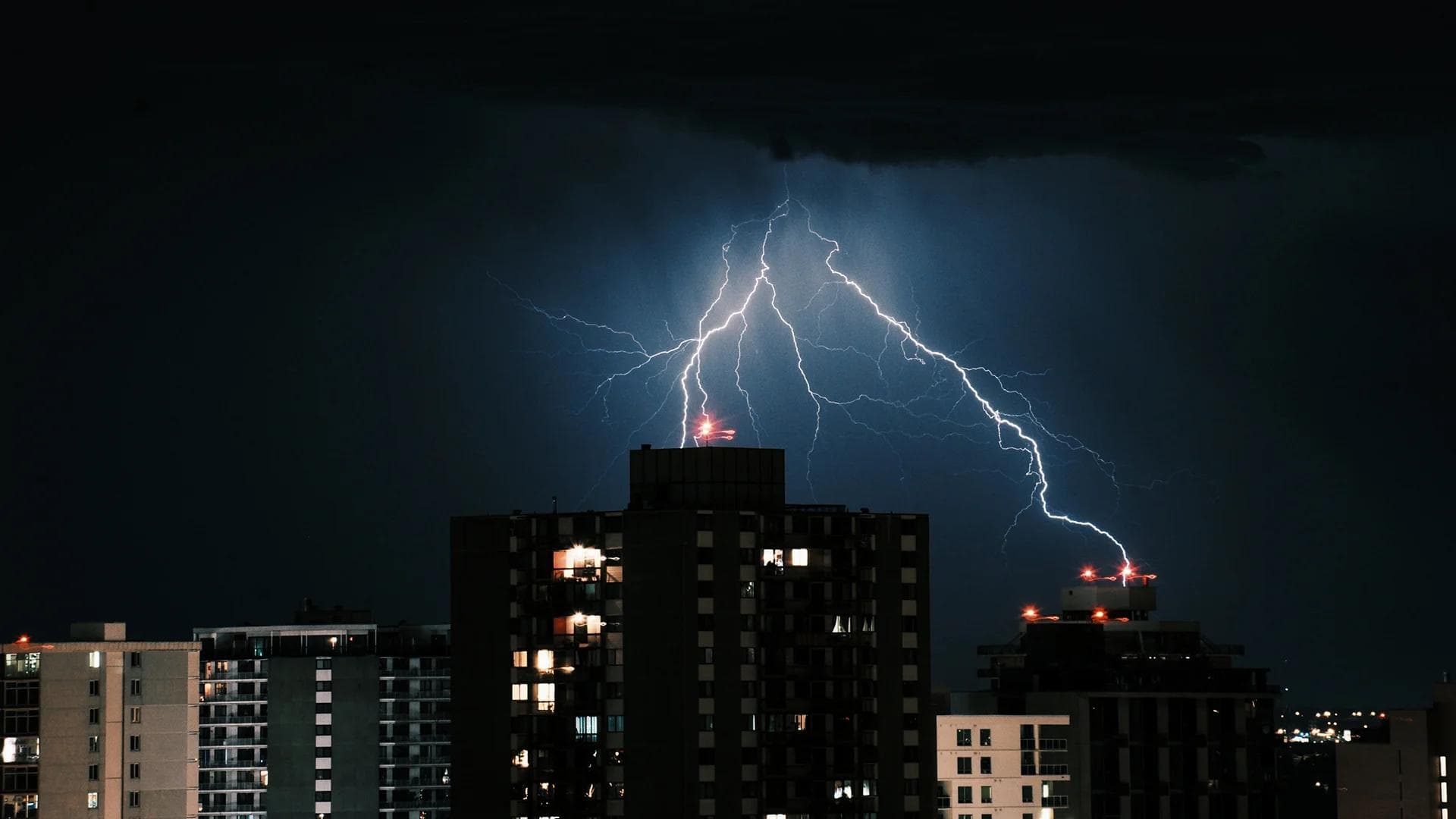
Reliable equipment serves more than a single purpose. Many owners incorporate night vision for emergency preparedness into broader plans that include weather emergencies, evacuation scenarios, property monitoring, and nighttime navigation.
Preparedness is not about expecting worst-case outcomes every day. It is about reducing uncertainty when normal systems stop working.
High-quality equipment can become a long-term capability rather than an emergency-only purchase. Those building a blackout or preparedness setup often begin by exploring the best night vision products designed for durability, clarity, and dependable low-light performance.
Some users also pair night vision with thermal technology for broader observation capability. A night vision thermal scope can help identify heat signatures and improve detection in challenging visibility conditions.
Preparedness Depends on Visibility
Urban power outages create confusion quickly. Familiar spaces become harder to navigate, and limited visibility complicates even basic movement. Night vision technology provides a practical way to improve awareness, conserve lighting resources, and maintain confidence during blackout conditions.
Whether preparing for severe weather, infrastructure failures, or emergency response scenarios, investing in the right equipment supports smarter decision-making when visibility matters most.
Explore GPNVGS for dependable night vision systems and preparedness-focused gear built to perform when conditions become unpredictable.