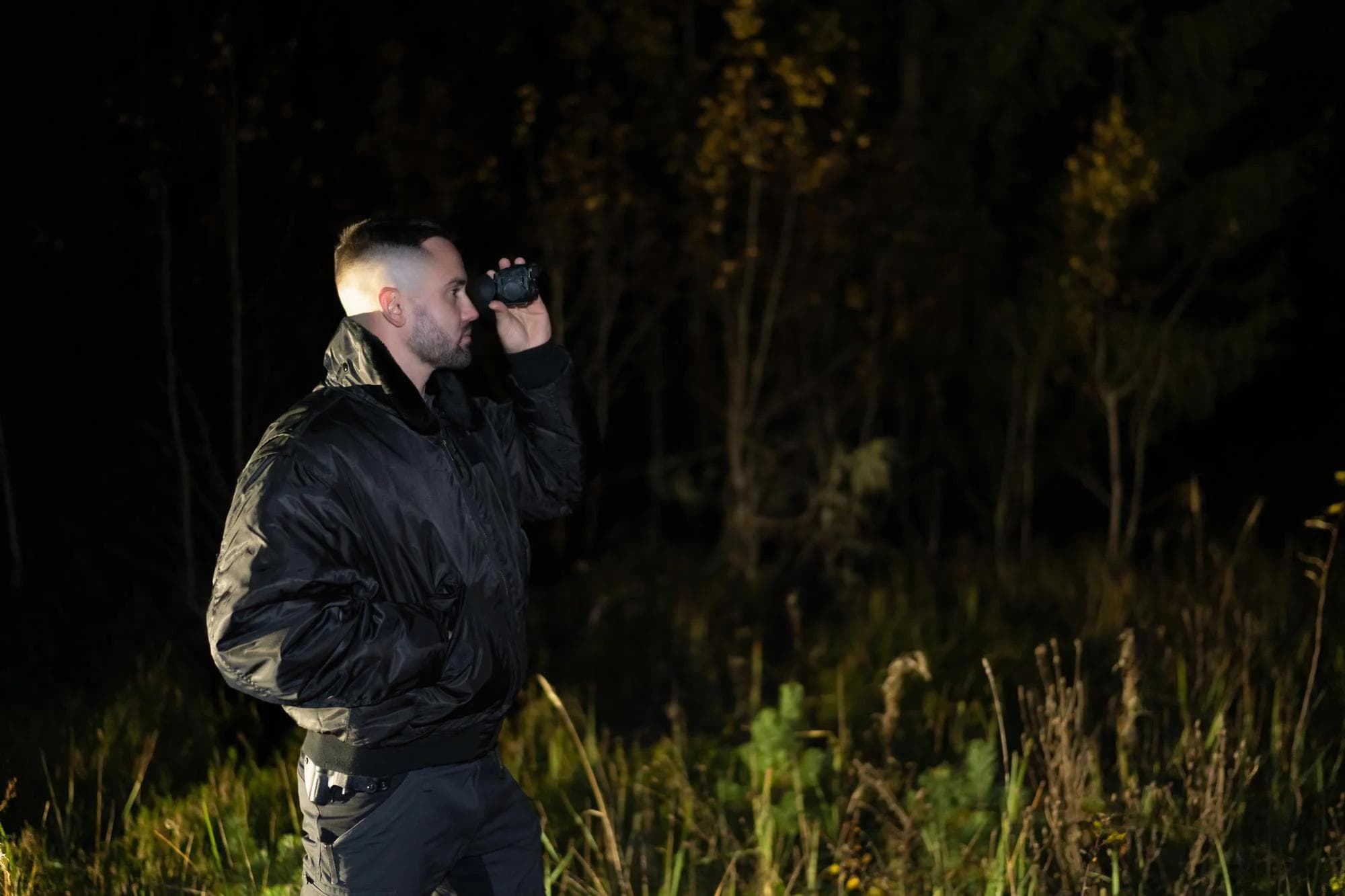
Night vision technology has revolutionized outdoor activities, especially for hunters aiming to spot game in low-light conditions. However, the legality of using night vision goggles isn’t universally accepted when it comes to hunting. Some states have strict rules & regulations regarding NVG use in hunting, while others permit their use under specific conditions. Today, we’ll break down what state laws you need to know before incorporating night vision into your next hunting trip!
The broader question of “Is it legal to own night vision goggles?” is relatively easy as owning and operating NVGs for personal use in every state is entirely legal. If you’ve ever wondered, “Are night vision goggles legal for hunting?” the answer is more complex and often depends on where you are and the specific game you’re pursuing. Below, we’ll explore the legalities in states where night vision hunting raises significant concerns.
Hot Spot States
California
So, is night vision legal in California? California has stringent restrictions on night vision equipment, particularly when combined with infrared illuminators or thermal imaging scopes. These technologies are prohibited for hunting, maintaining ethical practices, and protecting wildlife populations.
Additionally, why is night vision illegal in California? The state legislature cites concerns about poaching, unfair advantages for hunters, and potential risks to public safety. While you can own night vision goggles for personal use, using them for hunting often falls into generally illegal territory. However, night hunting is still perfectly legal in most of the state.
Minnesota
In Minnesota, regulations strictly govern night vision technology for hunting. The state prohibits using infrared or thermal imaging equipment to hunt big and small games. However, it allows hunters to use these devices to hunt coyotes or other predators, but only under certain conditions, such as obtaining consent from the landowner and restricting the activity to private property.
Montana
Montana prohibits hunting with night vision goggles or thermal imaging devices when pursuing game animals. The state’s wildlife authorities emphasize the importance of maintaining traditional hunting methods to uphold fair chase principles. Hunters using such devices risk fines and potential loss of hunting privileges.
Other states with restrictions include
- Tennesee: Night hunting only
- Alabama: No Night Vision Allowed
- Alaska: Night hunting only
- Arizona: No Night Vision Allowed
- Delaware: No Night Vision Allowed
- Hawaii: No Night Hunting Allowed
- Kansas: No Night Vision Allowed
- Missouri: No Night Vision Allowed
- Nevada: No Night Hunting Allowed
- New Mexico: No Night Hunting Allowed
- Oregon: No Night Vision Allowed
- Rhode Island: No Night Vision Allowed
- Tennessee: No Night Vision or Artificial Light Allowed
Why Are There Restrictions?
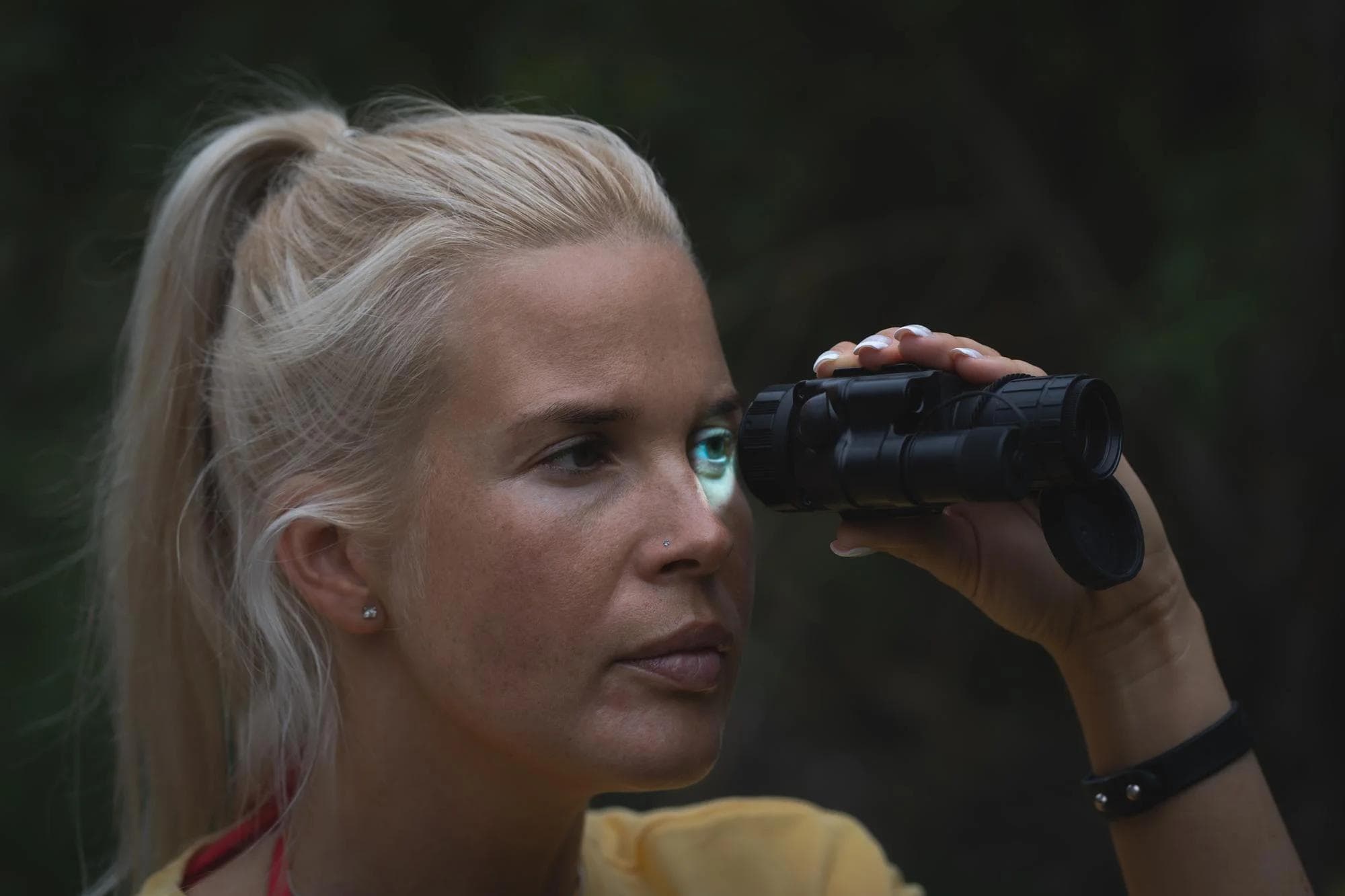
At its core, hunting is seen as a sport that requires skill, patience, and respect for the natural balance of ecosystems. By allowing hunters to detect animals that would otherwise remain hidden in the dark, night vision goggles may disrupt this balance, providing an unfair advantage and diminishing the challenge of the hunt.
Another critical concern is the potential overharvesting of game populations. State agencies work hard to monitor and manage wildlife numbers to ensure species remain abundant for future generations. hen hunters use night vision technology, locating and hunting game animals becomes significantly more straightforward, potentially leading to unsustainable harvesting levels.
Moreover, states are wary of the potential for accidents and misuse. For instance, hunters using night vision goggles might inadvertently target protected or endangered species due to limited visibility or insufficient animal identification. This risk is compounded by the fact that hunting in low-light conditions already presents safety challenges, such as reduced depth perception and difficulty identifying fellow hunters.
Staying Compliant
Ultimately, hunters are responsible for understanding the laws in their state and staying compliant. If you’re considering using night vision technology, take the time to research the specific restrictions in your area. Consulting local wildlife agencies or reviewing state hunting regulations can provide clarity and prevent costly mistakes.
While night vision goggles offer a cutting-edge advantage, their use must align with fair chase and conservation principles. By respecting these regulations, hunters can ensure that their actions contribute to sustainable wildlife management while preserving the sport’s rich traditions.
The question of “Are night vision goggles legal” for hunting can be complex and depends heavily on local laws. While most states embrace the technology for specific types of hunting, others restrict or outright ban its use to promote ethical practices and protect wildlife.
Staying ahead in the field requires a deep understanding of the laws and the right equipment. At GP NVGs, we offer state-of-the-art night vision and thermal devices that blend clarity, durability, and performance to enhance your capabilities in low-light conditions. Whether you need a thermal clip-on sight for hunting or top-tier night vision binoculars, GP NVGs has got you covered! Check our collections now!