In situations where safety is paramount, the right helmet can differentiate between a minor scrape and a life-threatening injury. Whether scaling a mountain, cycling through rugged trails, or engaging in tactical operations, choosing between a ballistic and a bump helmet is critical. Each type offers distinct advantages tailored to specific activities and threats. This guide will answer common questions and explore the unique features of ballistic and bump helmets, helping you determine which suits your needs best.
Why Are Helmets Important in Tactical Operations?
Helmets are important in tactical operations because they provide essential protection for personnel who operate in dangerous environments. In combat or tactical scenarios, the head is highly vulnerable to injuries from ballistic threats, falls, or blunt force. Helmets are critical in minimizing these risks, thereby enhancing the survivability and effectiveness of the operators.
Ballistic helmets protect against life-threatening injuries from gunfire and explosive fragments, while bump helmets shield against head trauma from accidental bumps and collisions. Both types of helmets are vital, depending on the nature of the mission and the threats involved.
What is the Difference Between a Bump Helmet and a Ballistic Helmet?
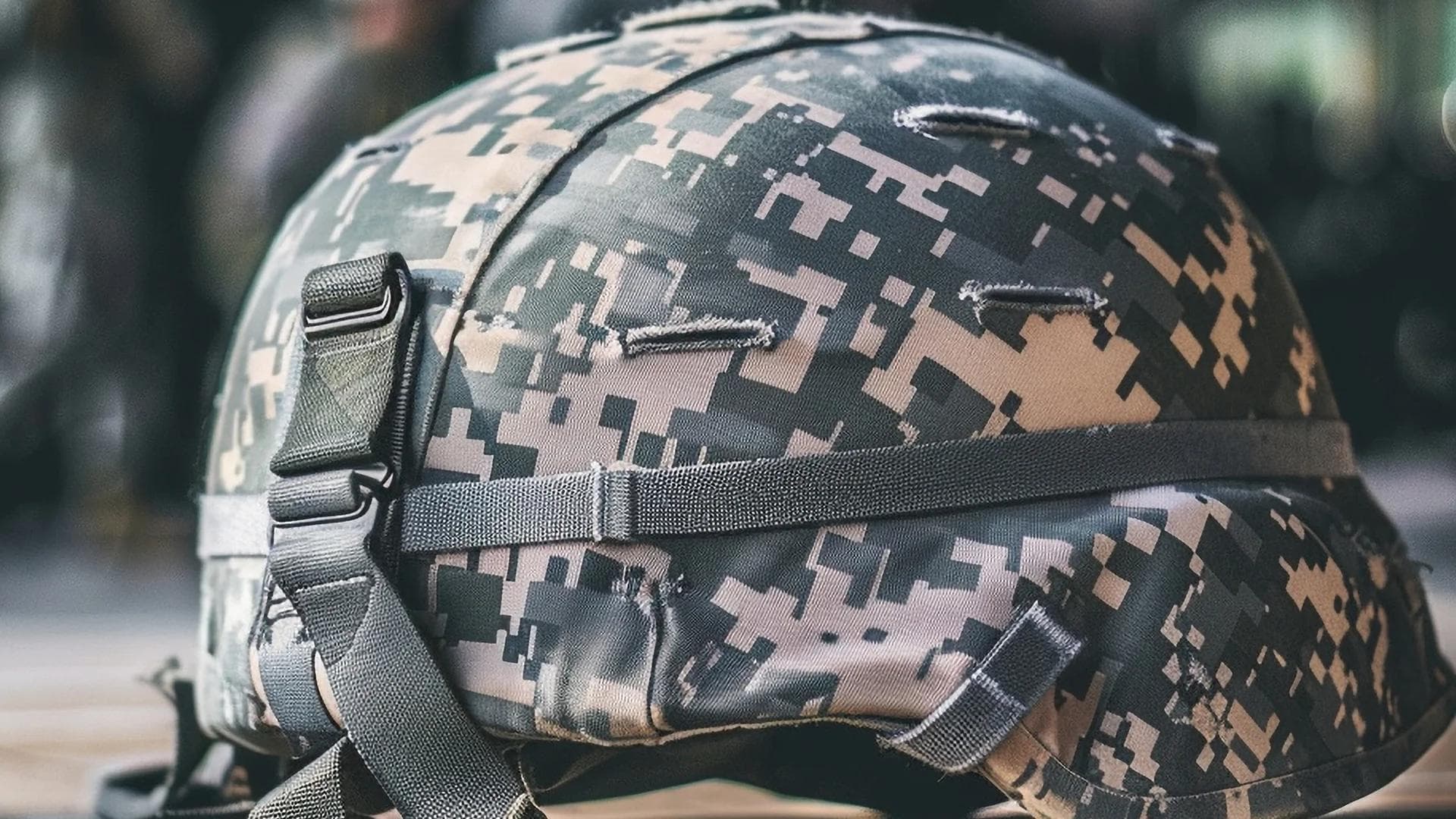
The primary difference between a bump helmet and a ballistic helmet lies in their construction and intended use. Ballistic helmets, designed to protect against bullets and shrapnel, consist of advanced materials like Kevlar, a durable yet somewhat heavy fabric. These helmets undergo testing to withstand ballistic threats such as bullets and explosion fragments, making them essential for military and law enforcement personnel. Conversely, bump helmets offer protection against impacts from bumps, falls, and debris.
In contrast, manufacturers use lightweight materials such as polycarbonate or reinforced plastic to make non-ballistic helmets like bump helmets. While not providing bullet protection, they effectively guard against head injuries from falls, collisions, or flying debris commonly encountered in climbing, cycling, or airsoft activities.
How Does a Ballistic Helmet Provide Protection?
Ballistic helmets incorporate layers of high-strength materials such as Kevlar or ultra-high-molecular-weight polyethylene (UHMWPE) to enhance protection. These materials are designed to absorb and disperse the energy from ballistic impacts, preventing penetration and reducing the risk of traumatic brain injury. The helmets undergo rigorous testing to meet specific military standards, ensuring they can withstand bullets from handguns and shrapnel from explosives.
The design of ballistic helmets also considers comfort and functionality, often featuring suspension systems, padding, and retention straps to ensure a secure fit and mitigate the impact force transferred to the head.
What Are Bump Helmets Used For?
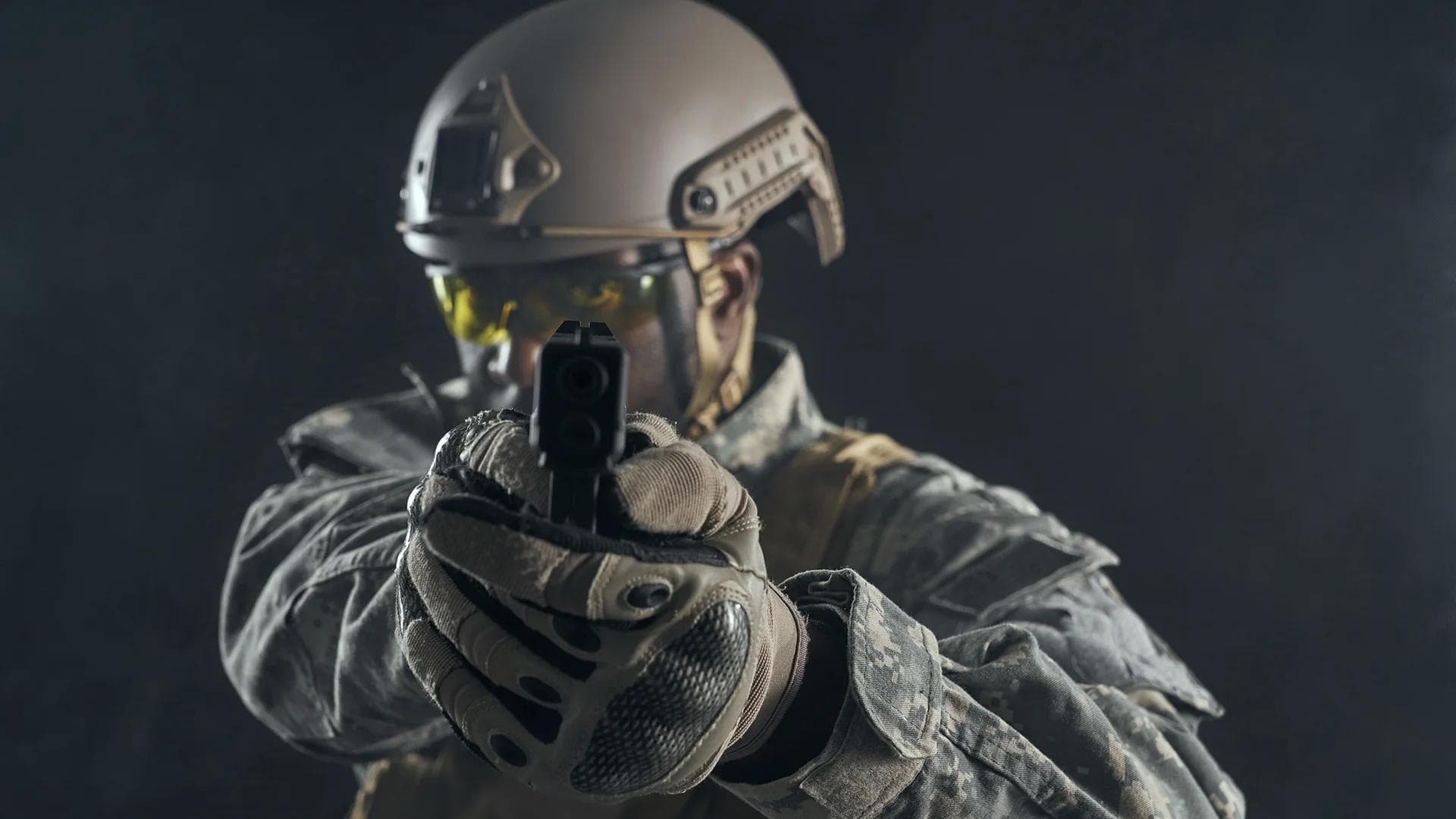
Bump helmets are used in situations where there is a risk of head injury from impacts but not from ballistic threats. These helmets are popular in various recreational and professional settings. For instance, they are widely used by climbers, cyclists, and skateboarders due to their lightweight and ventilated design, which enhances comfort during prolonged use.
In tactical operations, bump helmets are favored for activities like training exercises, search and rescue missions, or tactical climbing. They provide sufficient protection against head injuries from accidental bumps or falls, which are common in these scenarios. Bump helmets can also come with mounting points for accessories like night vision goggles or cameras, making them versatile for various tasks.
The questions “Can bump helmets protect against ballistic threats?” and “Are bump helmets bulletproof?” have one short but straightforward answer: No. Bump helmets, much lighter than ballistic helmets, do not feature materials designed to withstand ballistic impacts. Therefore, using bump helmets in combat situations is inadvisable.
Who Typically Uses Bump Helmets?
Bump helmets are typically used by individuals and professionals engaged in activities where head protection is necessary but the risk of ballistic threats is low. This answers the question: “Are bump helmets suitable for recreational use?”
If one of these sounds like you, investing in bump helmets is your #1 option.
- Recreational enthusiasts like climbers, cyclists, skateboarders, and airsoft players.
- Search and rescue teams who operate in environments where falls or debris could cause head injuries.
- Tactical personnel during training exercises or non-combat operations where the likelihood of ballistic threats is minimal.
Discover the perfect headgear from GPNVGs! We offer a variety of reliable, top-of-the-line helmets tailored to your needs. Whether you’re in the market for ballistic or bump, check our product page today for amazing deals.