Night vision goggles have transformed our ability to see in the dark, enabling us to navigate and understand our surroundings when natural light fades. But how do night vision goggles work? These remarkable devices amplify available light at their core, turning dim environments into clear, visible scenes. They achieve this by capturing even the slightest amounts of light, including infrared radiation, and converting them into a bright image. This technology benefits military operations and enhances activities like wildlife observation and hunting, providing an unmatched layer of support for nighttime navigation.
In this article, we’ll dive deeper into the fascinating mechanics behind night vision goggles, exploring how they help us unlock a world hidden in darkness and the science that makes this possible.
What Does Night Vision Look Like?
When you look through night vision goggles, the world is unique. Most night vision devices produce images in shades of green, which leads us to another intriguing question: why are night vision goggles green? The answer lies in the technology itself. Night vision devices use a phosphor screen to display the amplified image. Green light is preferred because our eyes are more sensitive to it, allowing us to see more detail and depth. This color choice helps reduce eye strain during prolonged use and provides a more natural viewing experience in low-light conditions.
As you peer through the goggles, you’ll notice that the landscape appears almost surreal. Shadows and outlines become pronounced, while bright objects—like the reflection of light off an animal’s eyes—pop out in the darkness. The overall effect is a grainy, ghostly image where movement is easily detected, making it ideal for tracking or surveillance.
Do Night Vision Goggles Work in Total Darkness?
One of the most common questions is whether night vision goggles work in total darkness. The answer is both yes and no. Traditional night vision goggles rely on ambient light to function. They amplify available light, including moonlight or starlight, to create a visible image. However, in absolute darkness, like a pitch-black cave or a completely sealed room, they struggle because there is no light to amplify.
That said, some modern night vision devices are equipped with an infrared (IR) illuminator, emitting invisible infrared light to the naked eye. This technology allows the goggles to “see” in total darkness, creating a clearer image without ambient light. So, while standard night vision goggles may falter in total darkness, enhanced models can still provide visibility.
Ultimately, to answer the question “Does night vision work in no light,” while night vision can operate effectively in low-light situations, it has limitations when there’s no light. For those conditions, thermal imaging takes the lead, providing clear visibility regardless of ambient light levels.
How Does Thermal Vision Work?
While night vision goggles amplify light, thermal vision technology operates on a completely different principle. Instead of relying on light, thermal imaging detects heat emitted by objects and living beings. Every object, including humans and animals, emits infrared radiation based on temperature. Thermal cameras capture this radiation and convert it into a visible image, allowing users to see in complete darkness.
You’ll notice a color palette representing different temperature ranges when using thermal vision. Warmer objects, like people or animals, will appear in brighter colors—often shades of yellow, orange, or red—while cooler areas, like the ground or foliage, may appear in blues and greens. This makes thermal vision particularly useful in search and rescue operations, where locating a warm body is critical.
How Do Night Vision Cameras Work?
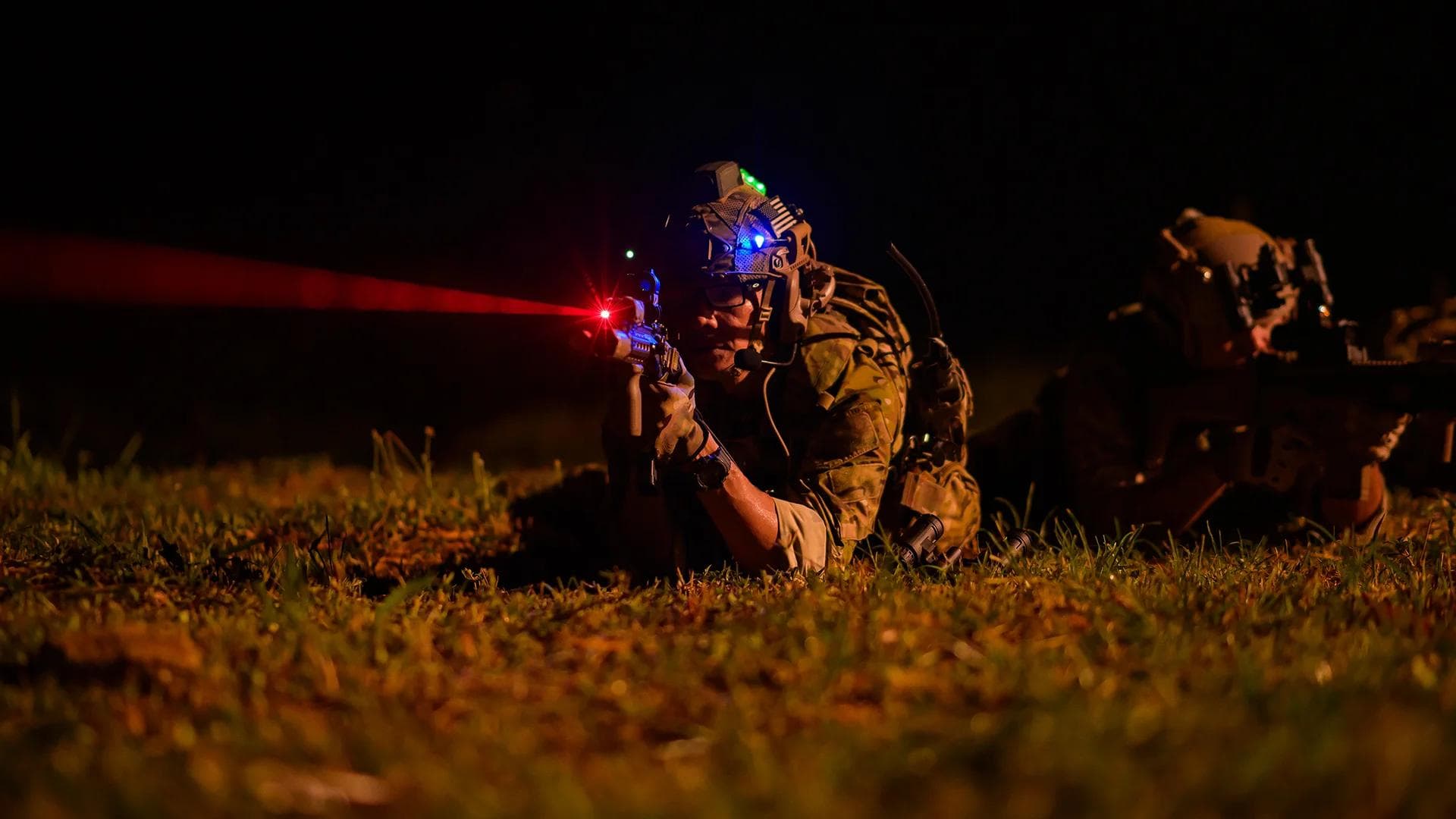
Night vision cameras share many principles with night vision goggles, but they’re designed for different applications. These cameras capture low-light images and enhance them through image processing techniques. Like goggles, they may incorporate infrared technology to improve visibility in complete darkness.
Night vision cameras often feature a built-in IR illuminator, allowing them to capture clear footage even without ambient light. Thus, the camera can function normally in complete darkness. The images produced can be displayed in real-time on screens or recorded for later analysis, and they are commonly used on hunting grounds or national park trails.
Are you trying to find a reliable NV gear provider? Look no further than GPNVG’s wide selection of high-end night vision imaging technology. From high-performance goggles and scopes to thermal imaging devices, our inventory features the latest advancements in night vision technology. Check our full collection of night vision products on our product page.