Having the right optical gear can make all the difference when it comes to outdoor adventures, whether hiking, birdwatching, or stargazing. A monocular might be your best bet if you’re looking for a lightweight and convenient alternative to binoculars. But how to choose a monocular that fits your needs? This guide will walk you through everything you need to know to make the best choice!
What Is a Monocular, And How Does It Work?
A monocular is a compact optical device designed for viewing distant objects with one eye. It works similarly to a small telescope, using a combination of lenses and prisms to magnify images. Because it’s essentially half of a binocular, a monocular is more lightweight and portable, making it an excellent option for outdoor enthusiasts who prefer minimal gear.
Main Differences Between Monoculars And Binoculars
While both monoculars and binoculars serve the same purpose—bringing distant objects into clear view—there are some key differences:
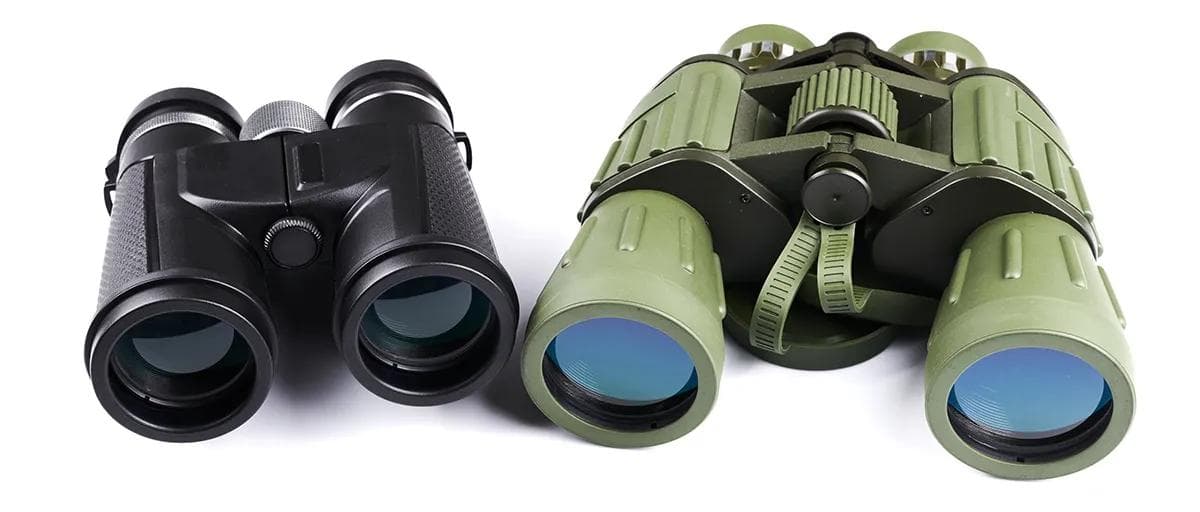
- Size & Weight: Monoculars are typically smaller and lighter than binoculars, making them easier to carry.
- Depth Perception: Binoculars provide a more immersive viewing experience due to the use of both eyes, offering better depth perception.
- Ease of Use: A monocular can be operated with one hand, making it a practical choice for quick viewing.
- Cost: Generally, monoculars are more affordable than binoculars of the same optical quality.
If you value convenience and portability, a monocular is an excellent alternative to traditional binoculars.
Advantages of Using A Monocular for Outdoor Activities
Monoculars shine in outdoor settings for several reasons:
- Lightweight and Portable: Unlike bulky binoculars, Monoculars easily fit in your pocket or backpack.
- Quick One-Eye Viewing: You can swiftly pull out your monocular and focus on an object without hassle.
- Versatility: Whether hiking, hunting, or attending a sports event, a monocular provides clear, close-up views without extra bulk.
- Discreet Usage: If you want to observe wildlife without drawing attention, a monocular is less conspicuous than binoculars.
Key Features to Look for in A Monocular
When searching for the best monocular, consider these essential features:
- Magnification: Ranges from 5x to 12x or more. Higher magnification brings objects closer but can reduce image stability.
- Objective Lens Diameter: A larger lens (e.g., 42mm) allows more light, improving image brightness and clarity.
- Lens Coating: Multi-coated or fully multi-coated lenses enhance light transmission and reduce glare.
- Field of View (FOV): A wider FOV helps track moving subjects more easily.
- Eye Relief: If you wear glasses, look for a monocular with at least 14mm of eye relief for comfortable viewing.
- Waterproof & Fog-proof: Opt for a waterproof, nitrogen-purged monocular for outdoor use to prevent fogging.
How Does Magnification in A Monocular Affect Its Performance?
Magnification determines how much closer an object appears. While high magnification (10x-12x) brings distant details into sharp focus, it also narrows the field of view and increases handshaking effects. Lower magnifications (5x-8x) offer steadier images and a wider field of view, making them better for fast-moving subjects like birds. Consider your intended use before deciding on the magnification level.
Are Monoculars Suitable for Birdwatching or Stargazing?
Yes! Monoculars can be great for both activities, provided you choose the right specifications:
- For Birdwatching: A monocular with 8x or 10x magnification and a wide field of view is ideal for tracking birds in motion.
- For Stargazing: A larger objective lens (50mm or more) allows better light gathering for night sky viewing. Some monoculars even come with tripod mounts for added stability.
What Are the Pros and Cons of Compact vs. Full-Sized Monoculars?
Both compact and full-sized monoculars have their advantages and drawbacks:
Compact Monoculars
- Pros: Lightweight, pocket-sized, easy to carry.
- Cons: Smaller objective lenses reduce brightness and detail in low-light conditions.
Full-Sized Monoculars
- Pros: Brighter images, better low-light performance, higher magnification options.
- Cons: Heavier and bulkier than compact models.
Enhance Your Nighttime Adventures with GPNVGs
Discover the precision and reliability of our night vision monoculars at GPNVGs. Perfect for a range of activities, from wildlife observation to enhanced security measures, these devices offer exceptional clarity and durability. Our monoculars are designed to provide superior performance in low-light conditions, making them an ideal choice for outdoor enthusiasts and professionals.
In addition to monoculars, we offer the best night vision goggles available today. These goggles are crucial for anyone needing advanced visibility for tactical operations or nocturnal wildlife tracking. With cutting-edge technology and robust construction, our goggles ensure you have the best possible equipment for your night vision needs.
Visit our products page or contact us to explore our extensive range and find the perfect gear to elevate your nighttime experiences.