A solid night vision setup involves more than just goggles. The difference between a frustrating experience and a functional system often comes down to the gear supporting it. A complete night vision loadout is designed to keep your equipment stable, comfortable, powered, and effective in low-light conditions.
Whether you are building your first setup or upgrading individual components, understanding how each piece works together helps you avoid compatibility problems and wasted money. From helmets and mounts to infrared illumination and battery management, every part of the loadout affects performance in the field.
What Is a Night Vision Loadout?
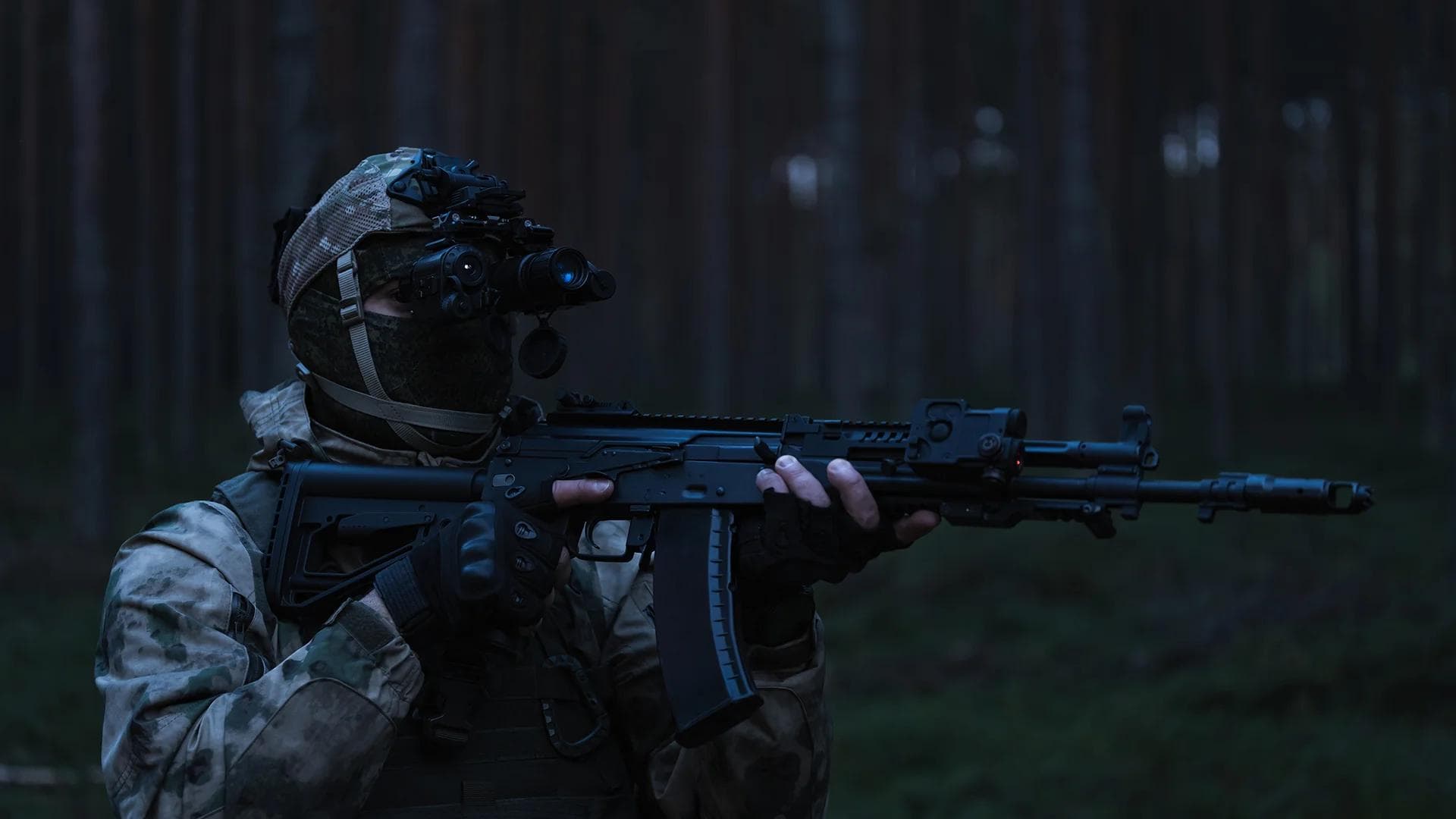
A night vision loadout refers to the complete collection of gear used alongside a night vision device. The goal is to create a system that allows for stable viewing, hands-free movement, reliable power, and effective operation in low-light environments.
A typical loadout may include:
- Night vision goggles or monoculars
- Helmet systems
- Mounts and J-arms
- Infrared illuminators
- Counterweights or battery packs
- Retention systems
- Protective accessories
Each component serves a purpose, and compatibility matters. A high-end monocular paired with a poor mount or unstable helmet can quickly become frustrating to use.
Why Do People Use Night Vision in Tactical Setups?
Night vision allows users to move, identify terrain, and maintain awareness in low-light conditions without relying heavily on visible light sources.
The reason people use night vision in tactical setups comes down to visibility and efficiency. Night vision helps users:
- Navigate trails and uneven terrain
- Maintain situational awareness in darkness
- Reduce dependence on flashlights or white light
- Improve movement during training or outdoor use
While night vision is often associated with military applications, many civilian users build loadouts for hiking, hunting, training, and nighttime outdoor recreation.
Start with the Right Night Vision Device
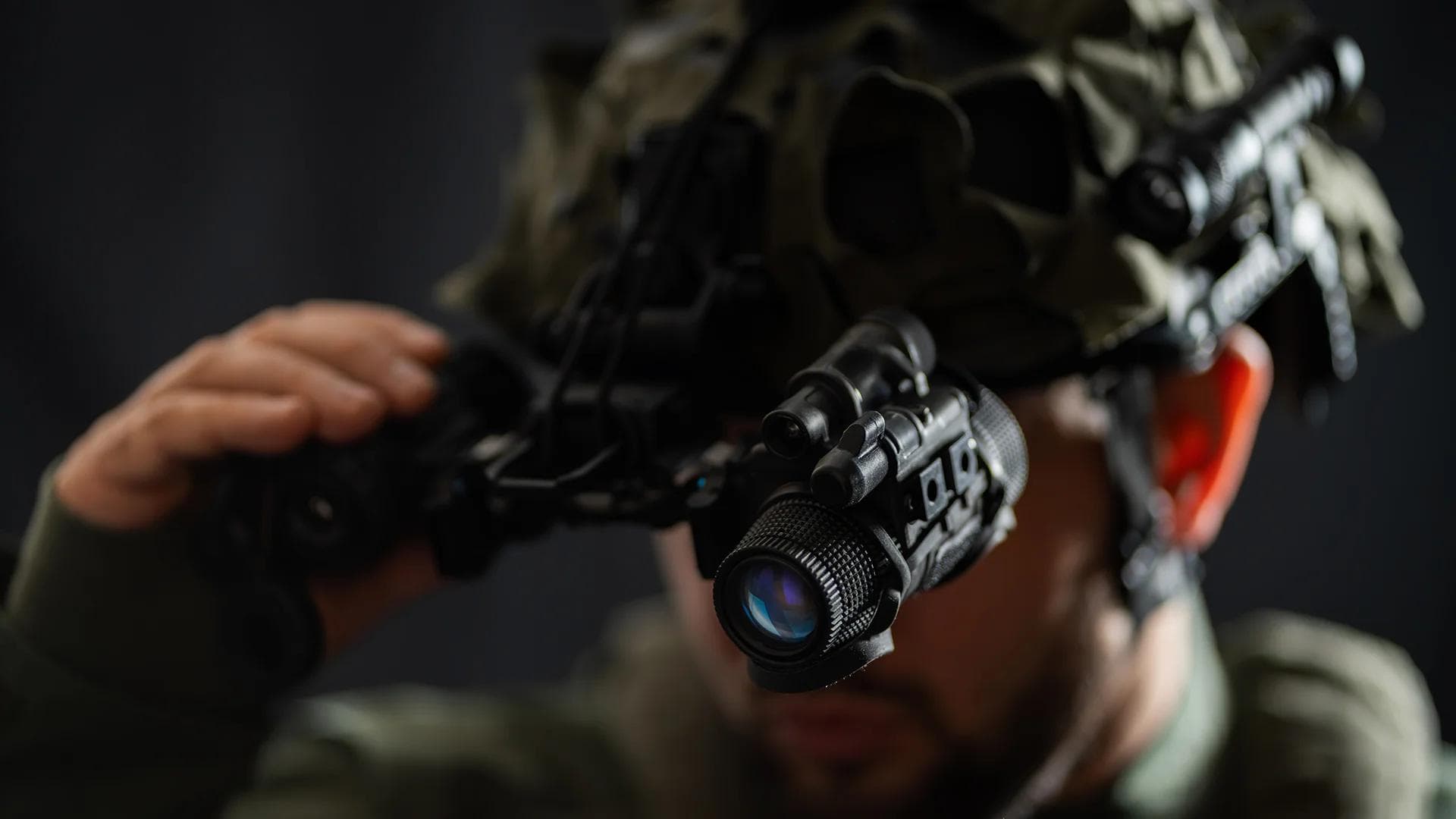
Every loadout starts with the optic itself. Monoculars remain one of the most common entry points because they are lightweight, versatile, and easier on the budget than dual-tube systems.
For many users, the best night vision monocular for a tactical loadout is one that balances durability, image quality, and mounting compatibility. Popular monocular setups work well because they can be helmet-mounted, handheld, or adapted for different use cases.
Users who want more customization often choose to build their own NVG system around their specific goals and budget.
Choose a Stable Helmet Platform
Your helmet is the foundation of the entire setup. A weak or poorly fitted helmet creates movement, discomfort, and instability that affects overall usability.
A quality night vision helmet should provide:
- Secure mounting compatibility
- Comfortable weight distribution
- Proper fit adjustment
- Stable attachment points for accessories
Weight becomes especially important during longer sessions. Even a lighter monocular setup can feel uncomfortable if the helmet shifts or lacks balance.
Use Reliable Mounts and J-Arms
Mount quality has a major impact on how stable your night vision feels during movement. Cheap mounts often introduce wobble, shifting, or poor alignment. High-quality night vision mounts keep your optic secure while allowing proper positioning and adjustment. This helps reduce eye strain and improves comfort during extended use.
Many users underestimate how important mounting hardware is until they experience instability firsthand.
Add Infrared Illumination for Low-Light Conditions
Night vision performs best when some ambient light is available, but certain environments require additional infrared support.
IR illuminators help:
- Improve visibility in darker environments
- Increase detail in wooded or covered terrain
- Enhance navigation in near-zero light conditions
Using IR effectively is part of building a balanced loadout. Too much reliance on infrared can drain batteries faster and create unnecessary exposure, while too little may limit visibility in difficult conditions.
Balance Weight with Battery Packs and Counterweights
As loadouts become more advanced, balancing the helmet becomes more important. Front-heavy setups create neck fatigue and discomfort over time.
External battery packs and counterweights help distribute weight more evenly across the helmet. Many battery pack systems also provide longer runtime compared to onboard batteries alone.
This becomes especially useful during:
- Longer training sessions
- Overnight use
- Extended outdoor movement
A balanced setup feels significantly more stable and comfortable during real use.
Protect Your Gear with Retention and Storage Accessories
Night vision systems are expensive and sensitive to impact, moisture, and environmental exposure. Small accessories help protect your investment.
Helpful additions include:
- Retention lanyards
- Lens caps and sacrificial lenses
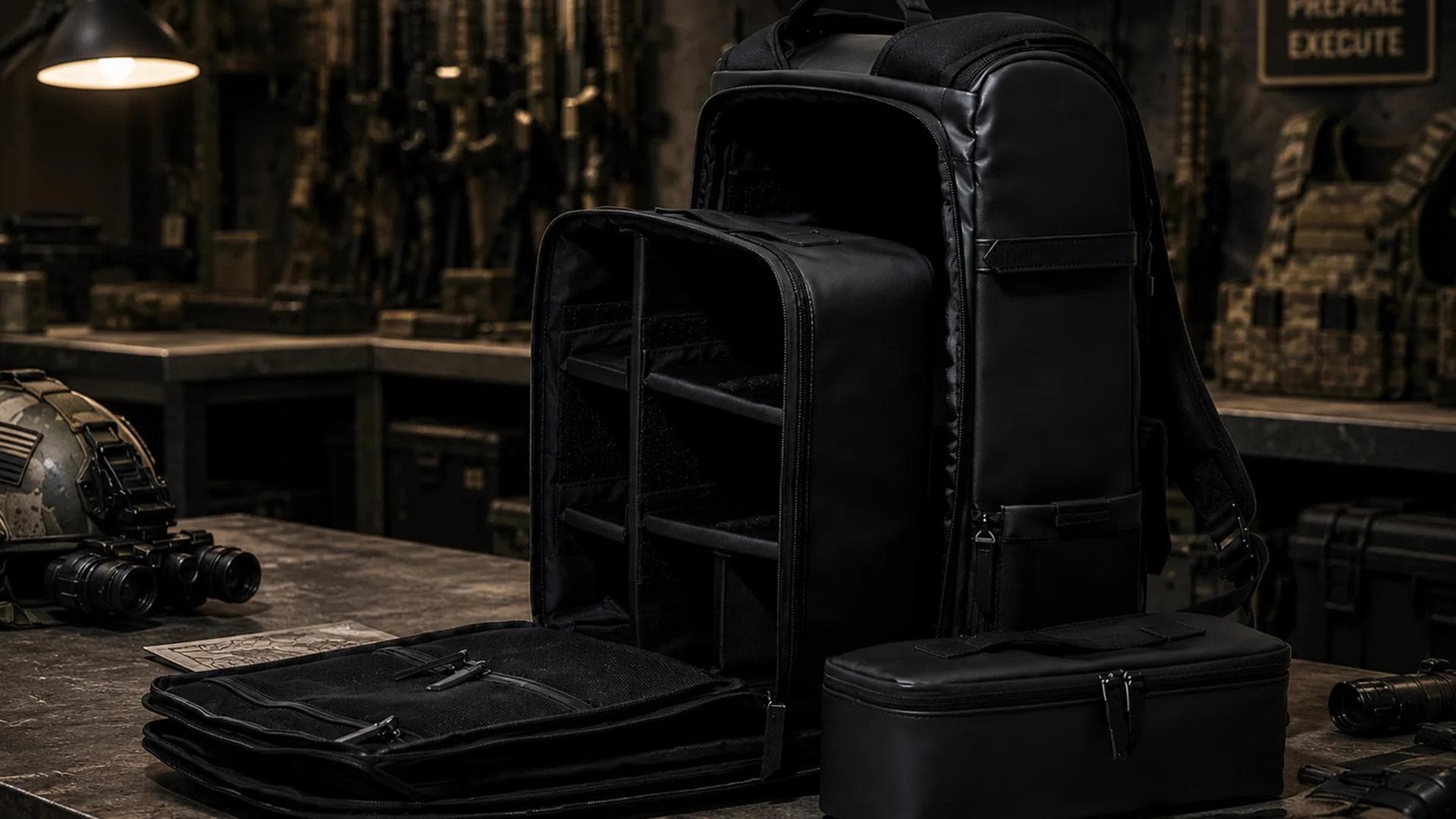
- Protective carrying cases
- Cable management systems
These upgrades may seem minor at first, but they improve both durability and day-to-day usability.
Build Around Your Actual Use Case
One of the biggest mistakes beginners make is building a loadout around trends instead of practical needs.
The best night vision loadout for beginners is usually simple:
- A quality monocular
- Stable helmet setup
- Reliable mount
- Basic IR illumination
- Extra batteries or battery pack
Starting with dependable core components makes future upgrades easier and helps avoid unnecessary spending.
Build a Night Vision Loadout That Works in the Real World
A complete night vision loadout should feel stable, reliable, and comfortable during actual use. The right combination of optics, mounts, helmets, and support gear creates a setup that performs consistently in low-light environments.
Whether you are building your first setup or upgrading an existing system, GPNVGS offers the gear, components, and expertise to help you put together a night vision loadout that fits your goals. Browse our selection of mounts, helmets, monoculars, and custom night vision systems to build a setup you can rely on when visibility matters most.