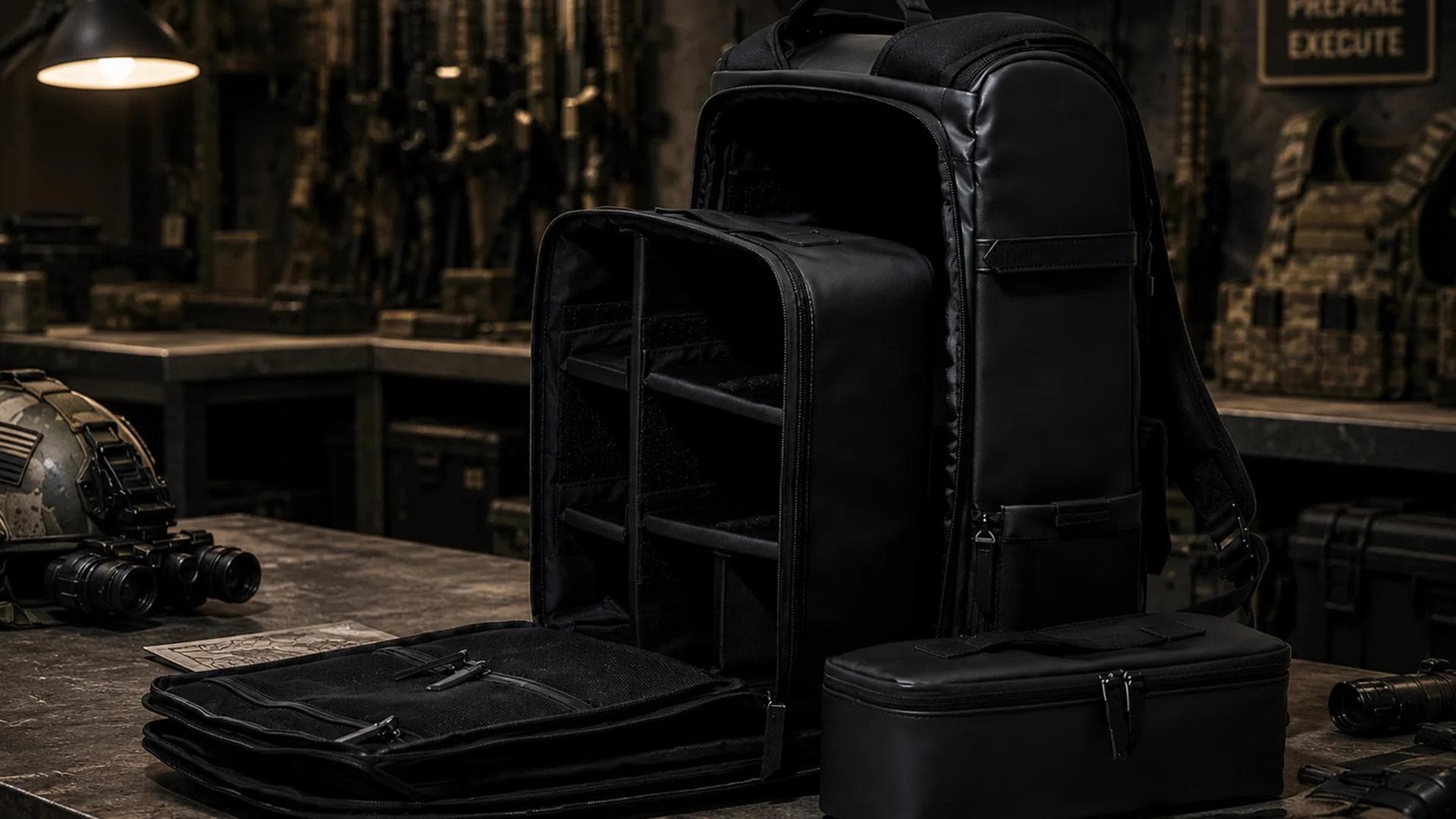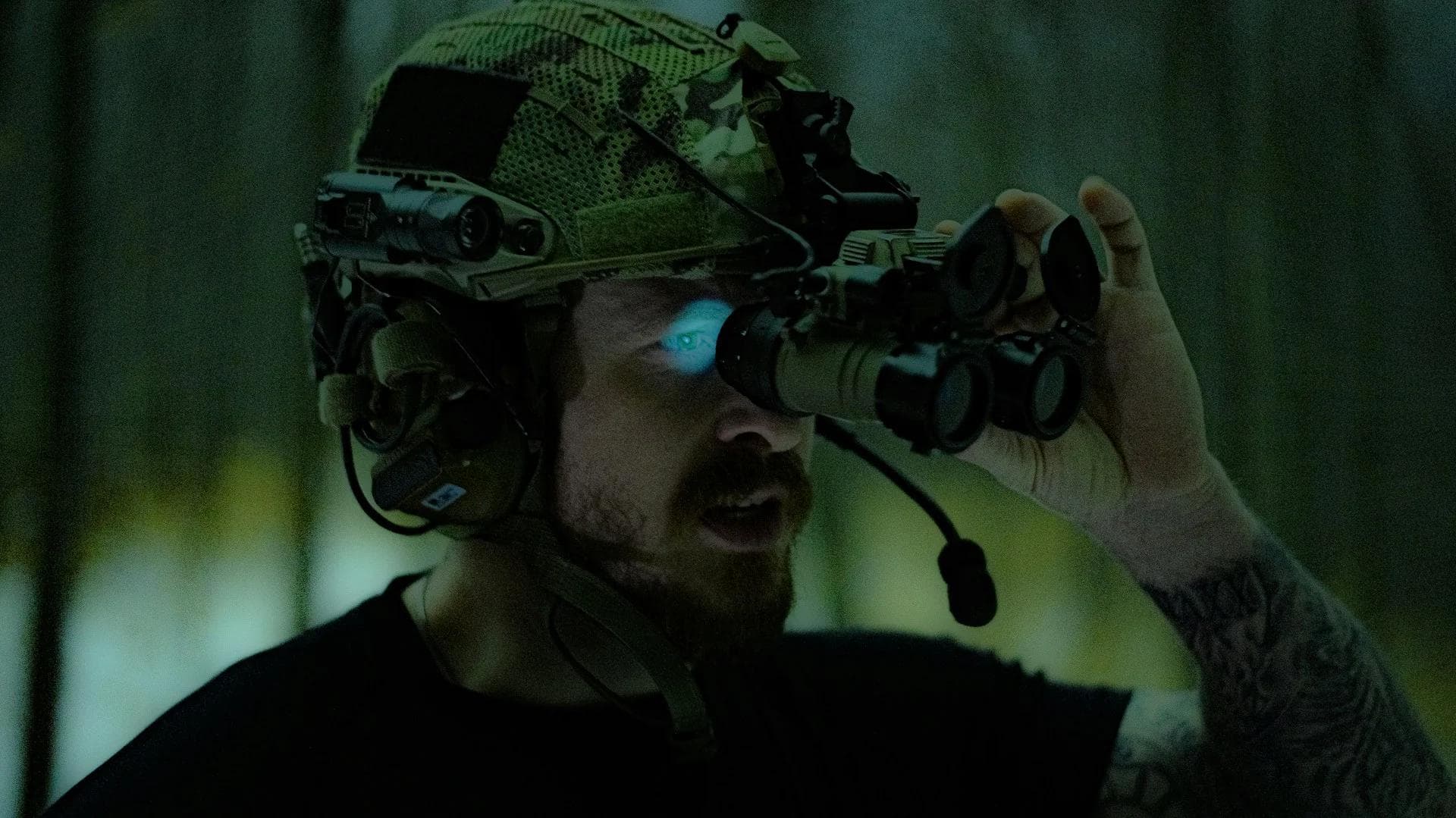
Night vision storage plays a direct role in how long your equipment lasts and how well it performs when you need it. If you rely on night vision for duty use, training, hunting, or night operations, you already understand that this gear is an investment, not an accessory. Poor storage habits quietly damage tubes, optics, and electronics long before failure is obvious. Proper night vision storage protects performance, extends service life, and keeps your equipment mission-ready for years.
Why Proper Night Vision Storage Matters
The best night vision products are built to operate in harsh conditions, but storage environments are different from field conditions. Heat, cold, moisture, and contamination work slowly and consistently when gear is stored incorrectly.
The most common risks of improper night vision storage include:
- Moisture intrusion that leads to internal fogging or fungus
- Temperature stress that degrades electronic components
- Battery corrosion that damages contacts and wiring
- Dust and debris that compromise lens coatings and controls
For owners asking what are the risks of improper night vision storage, the answer is simple. Image quality suffers, reliability drops, and repair costs increase.
How Should I Store Night Vision Equipment Between Uses
Day-to-day storage habits have a greater impact on longevity than occasional long-term storage. Night vision should always be stored in a controlled indoor environment.
Best practices include:
- Keep devices in a clean, dry space away from direct sunlight
- Leave protective lens caps in place when not in use
- Use padded cases or foam inserts to prevent shifting
- Avoid pressure from stacked gear or heavy objects
If you are asking yourself, “How should I store night vision equipment after regular use?,” consistency matters. Stable conditions reduce internal stress and limit moisture exposure.
Temperature Guidelines for Night Vision Storage
Temperature control is critical for protecting image intensifier tubes and electronics. Rapid temperature changes increase condensation risk, while prolonged exposure to extremes accelerates wear.
Owners often ask what temperature is safe for night vision storage. A stable range between 60°F and 75°F is ideal. Short exposure outside this range is generally safe, but long-term storage in extreme heat or cold is not recommended.
This leads to another common concern. Can night vision goggles be stored in cold weather? Cold storage alone is less damaging than heat, but warming cold gear too quickly creates condensation. Allow equipment to acclimate gradually before use.
How to Protect Night Vision Optics From Moisture
Moisture is one of the most damaging elements for night vision gear. Even minimal humidity trapped inside a case can cause long-term problems.
For those asking how do you protect night vision optics from moisture, focus on prevention:
- Use high-quality desiccant packs inside storage cases
- Replace desiccants on a regular schedule
- Never store gear while wet or damp
- Allow equipment to fully dry in a controlled environment before storage
To answer how to prevent fungus or fog inside night vision lenses, moisture control is essential. Fungus grows in dark, humid environments and permanently damages lens coatings.
Should Night Vision Devices Be Stored With Batteries Inside
Battery removal is a simple step that prevents serious damage. Batteries left inside devices can leak or corrode over time. And battery damage is a common cause of avoidable repairs and device failure.
If you are wondering should night vision devices be stored with batteries inside, the recommended approach is:
- Remove batteries for any long-term storage.
- Store batteries separately in a cool, dry location.
- Inspect battery compartments periodically for corrosion.
Storage Cases, Safes, and Common Locations
Protective cases play an important role in night vision storage. Many owners ask, “Do night vision scopes need special storage cases?” Factory cases are effective, but any case should provide padding, moisture control, and limited movement.
Storage location is just as important:
- Is it safe to store night vision in a gun safe? Yes, provided the safe includes a dehumidifier or climate control.
- Can I store night vision gear in a garage or attic? These locations are high risk due to temperature swings and humidity.
A climate-controlled indoor space paired with a quality case offers the most reliable protection.
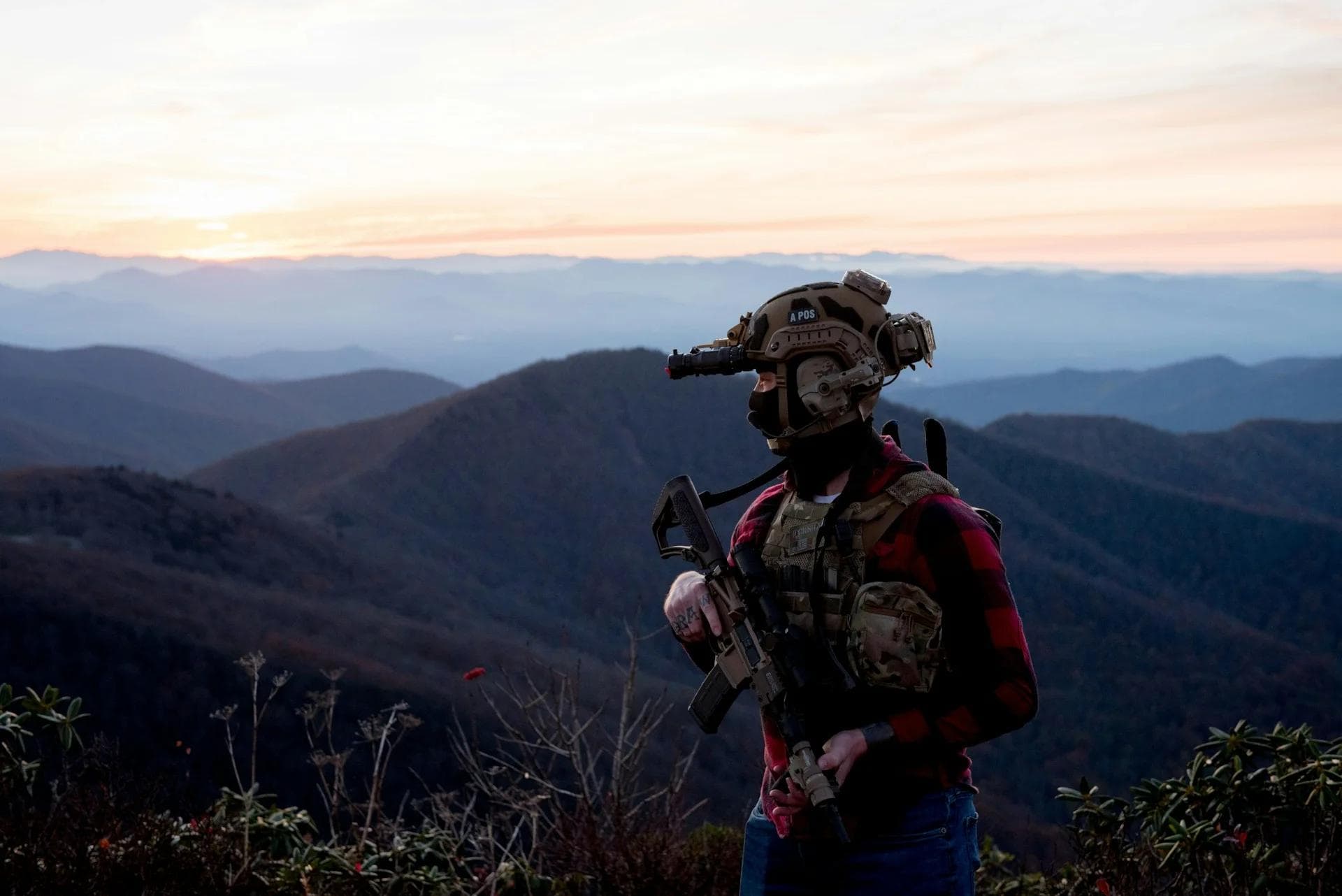
Long-Term Night Vision Storage Checklist
Before storing night vision gear for extended periods:
- Clean lenses using approved tools and solutions
- Remove all batteries
- Install fresh desiccant packs
- Secure devices in padded storage cases
- Choose a stable, climate-controlled location
Following this checklist significantly reduces long-term storage-related damage.
Protect Your Equipment and Your Investment
Night vision gear is designed for serious use, but long-term performance depends on how it is stored. Proper night vision storage preserves image clarity, extends tube life, and ensures reliability when conditions matter most.
If you are upgrading or expanding your setup, explore the best night vision products built for professional-level performance and durability.