Night vision technology has become indispensable in various fields, from military operations to wildlife observation and even law enforcement. Whether you’re a professional or a hobbyist, understanding the different types of night vision goggles (NVGs) can help you choose the right device for your needs. In this article, we’ll explore the various types of night vision goggles available today, how they work, and how they differ!
Types of NVG: Image Intensification vs. Thermal
Before diving into the specific types of night vision devices, it’s essential to distinguish between the two core technologies used in these devices: image intensification and thermal imaging.
Image Intensification NVGs
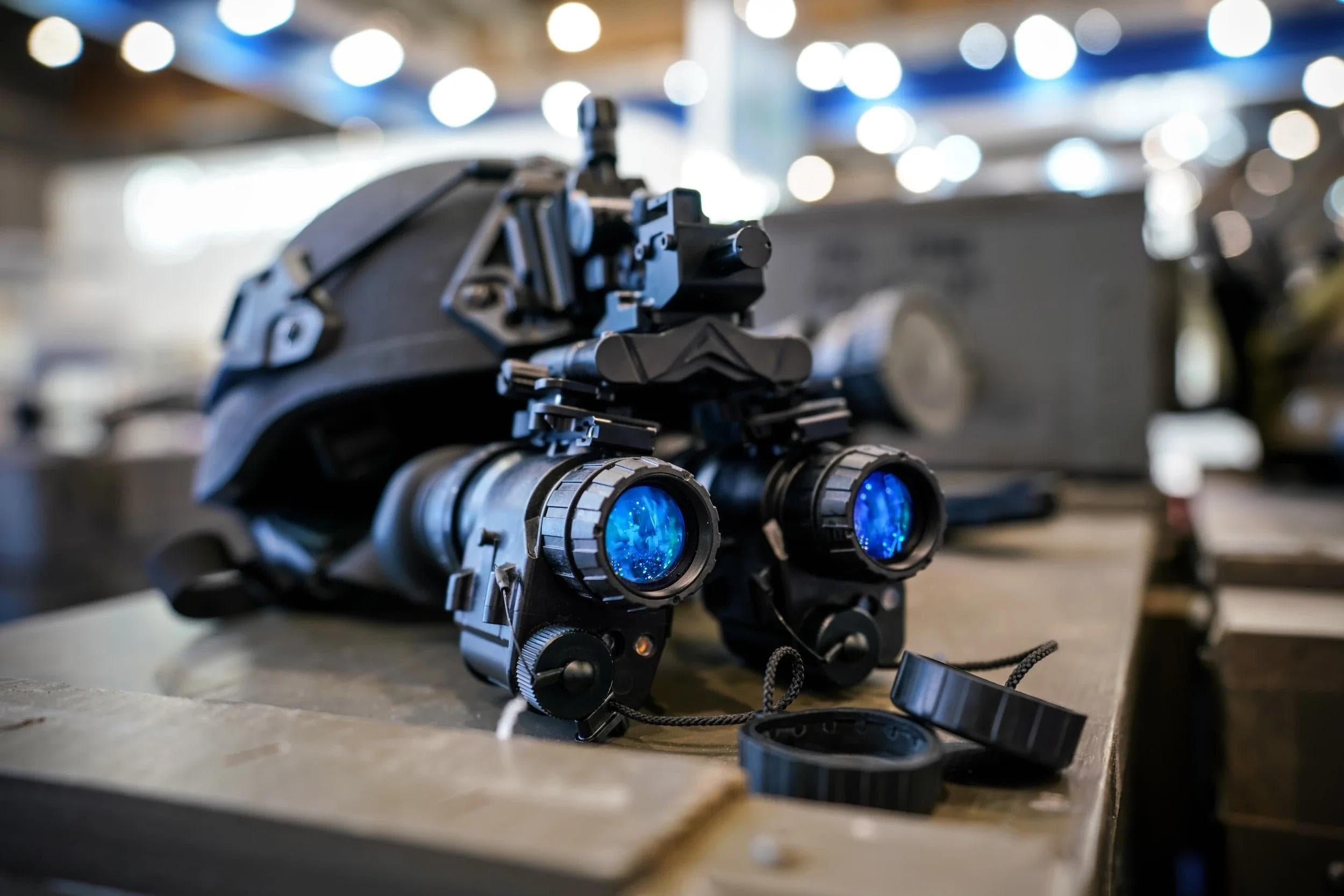
The most common type of night vision technology is image intensification. This technology captures ambient light and amplifies it through a series of lenses and photomultiplier tubes. The result is a brightened, green-tinted image, which is easier for the human eye to interpret in low-light environments. Image intensification works best when some light is present, such as starlight or moonlight, making it ideal for environments like open fields or urban landscapes.
- Generation 1 NVGs: These are the earliest form of night vision goggles, and while they’re still in use today for budget-conscious consumers, they have limitations. Gen 1 NVGs provide lower resolution, are bulkier, and have a more limited range of amplification compared to newer models.
- Generation 2 NVGs: Generation 2 night vision goggles offer improved resolution, clarity, and light amplification over their Gen 1 counterparts. This is made possible by the inclusion of a microchannel plate that significantly enhances image quality, allowing users to see further in low-light conditions.
- Generation 3 NVGs: Often regarded as the gold standard for night vision goggles, Generation 3 models offer the highest level of performance. They utilize a gallium arsenide photocathode, which allows for superior light amplification, resolution, and clarity. Gen 3 devices are commonly used in military operations and high-end commercial applications, as they provide excellent performance in nearly any lighting condition.
- Generation 4 NVGs: While not widely available, Generation 4 NVGs represent the next step in night vision technology. They feature automatic gain control and better contrast, providing a clearer, sharper image with less image distortion. They are often considered more advanced but come with a hefty price tag.
Thermal Imaging NVGs
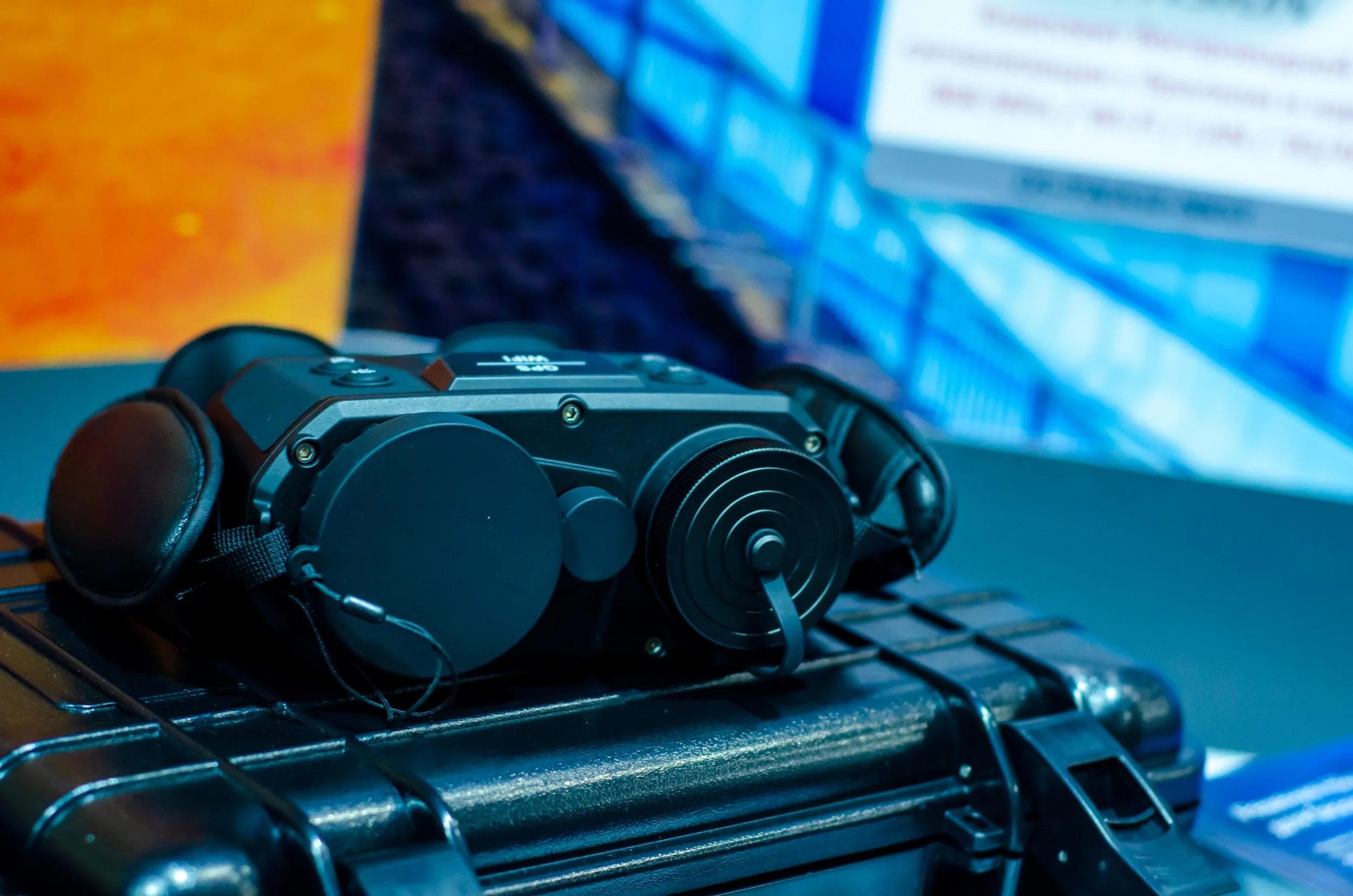
Thermal night vision goggles detect heat signatures rather than visible light. These devices are handy for spotting living creatures or vehicles, as they detect temperature differences between objects and their surroundings. Thermal vision doesn’t rely on ambient light, so it works well in complete darkness or through smoke, fog, or dust.
Types of Thermal Imaging NVGs:
- Uncooled Thermal NVGs: These are the most common and affordable thermal night vision devices. They use sensors that can detect heat signatures without cooling mechanisms. While they may have a slightly lower level of sensitivity compared to cooled thermal devices, they are still highly effective in various applications.
- Cooled Thermal NVGs: Professionals, including military personnel and high-level law enforcement officers, use these devices. Cooled thermal NVGs use cryogenically cooled sensors to improve the clarity and accuracy of heat detection. They offer superior thermal sensitivity and can detect heat signatures at much greater distances.
Best Types of Night Vision Goggles for Specific Uses
- Military Use: You may ask yourself, “What kind of night vision does the military use?” Generally, high-end Generation 3 or 4 NVGs, along with advanced thermal optics. They’re hardy enough to work under extreme conditions and are often integrated into helmet-mounted systems for tactical use.
- Hunting: Hunters often use thermal imaging devices because they allow them to spot animals in complete darkness. However, some hunters also use Gen 2 or Gen 3 NVGs for spotting in environments with some ambient light.
- Security: Law enforcement and security professionals often rely on image intensification and thermal NVGs for surveillance. Image intensification helps observe suspects in areas with some light, while thermal devices are excellent for detecting hidden individuals or vehicles in total darkness.
Choosing the Right Night Vision Device
- Range: How far you need to see will dictate whether you should opt for a lower-generation NVG or a high-performance model.
- Battery Life: High-end models may offer superior performance but require more power. Battery life can vary from several hours to a day, depending on the model and technology used.
- Cost: Thermal imaging devices are more expensive than image intensification NVGs. However, the price is often justified for specific applications (such as military or security).
Looking for the best night vision goggles for sale? Look no further than GP NVG’s range of high-quality NVGs, from advanced Gen. 3 image intensifiers to cutting-edge thermal standalone sights! Check our product page today to learn more.